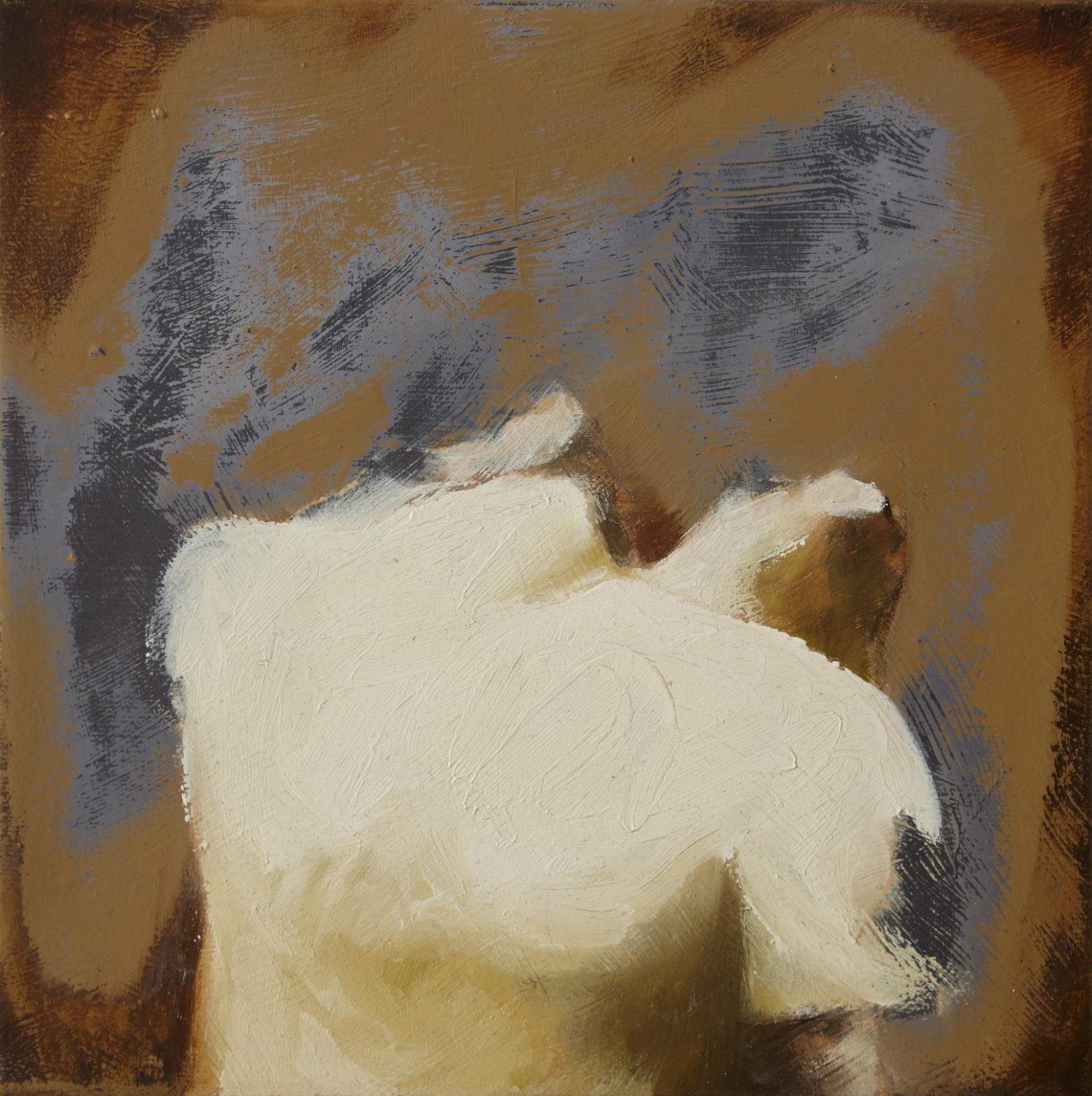
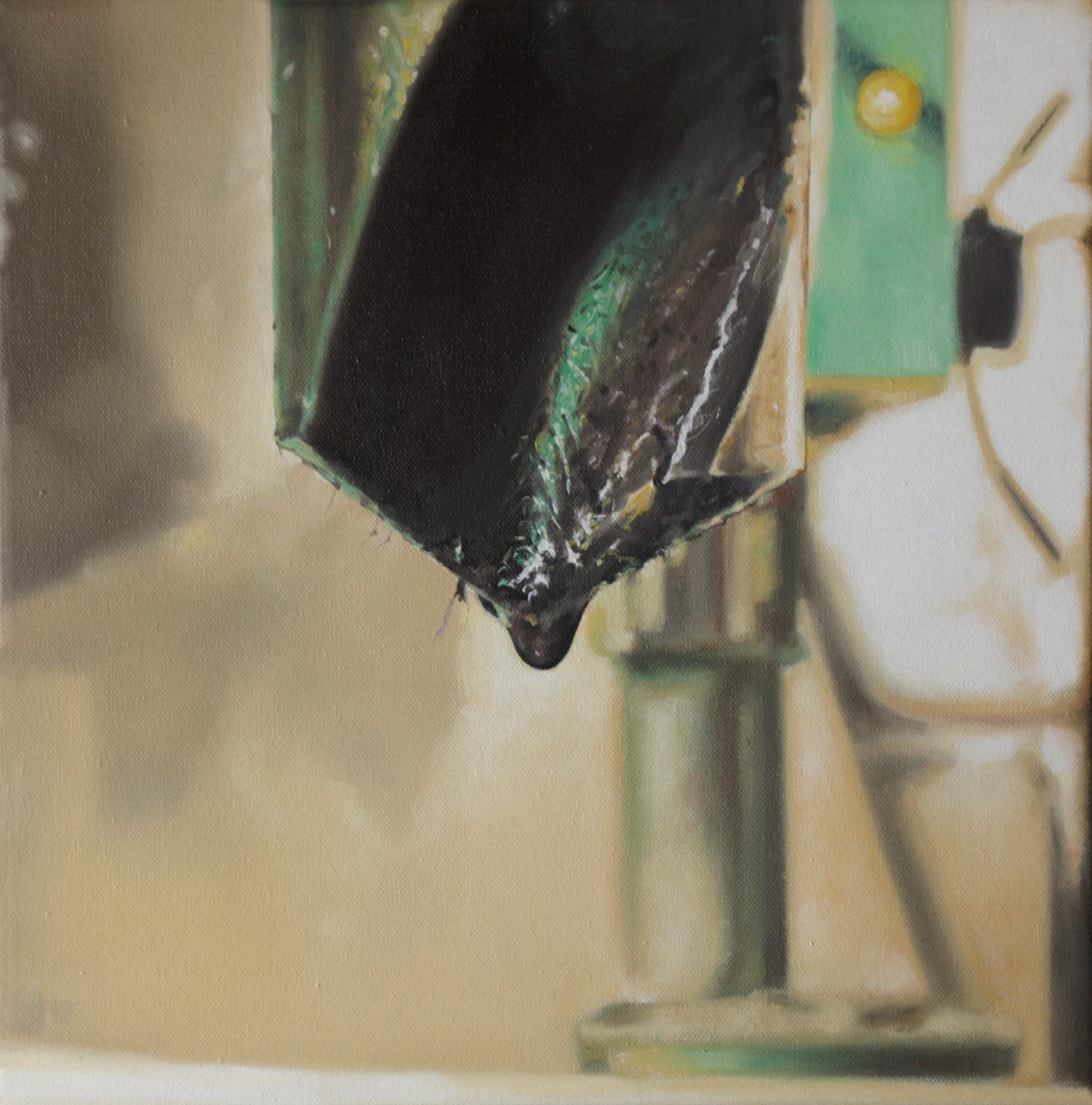
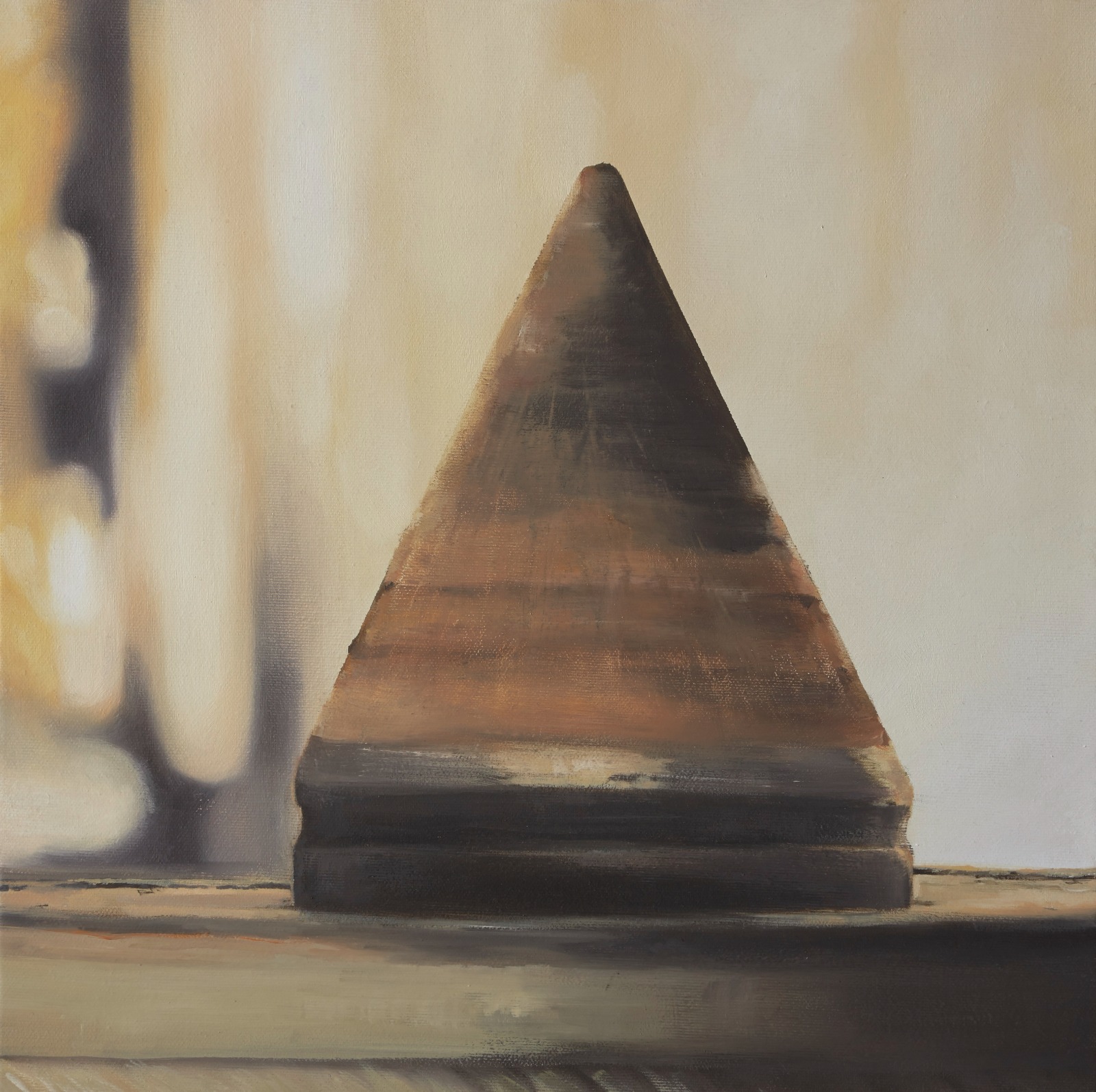
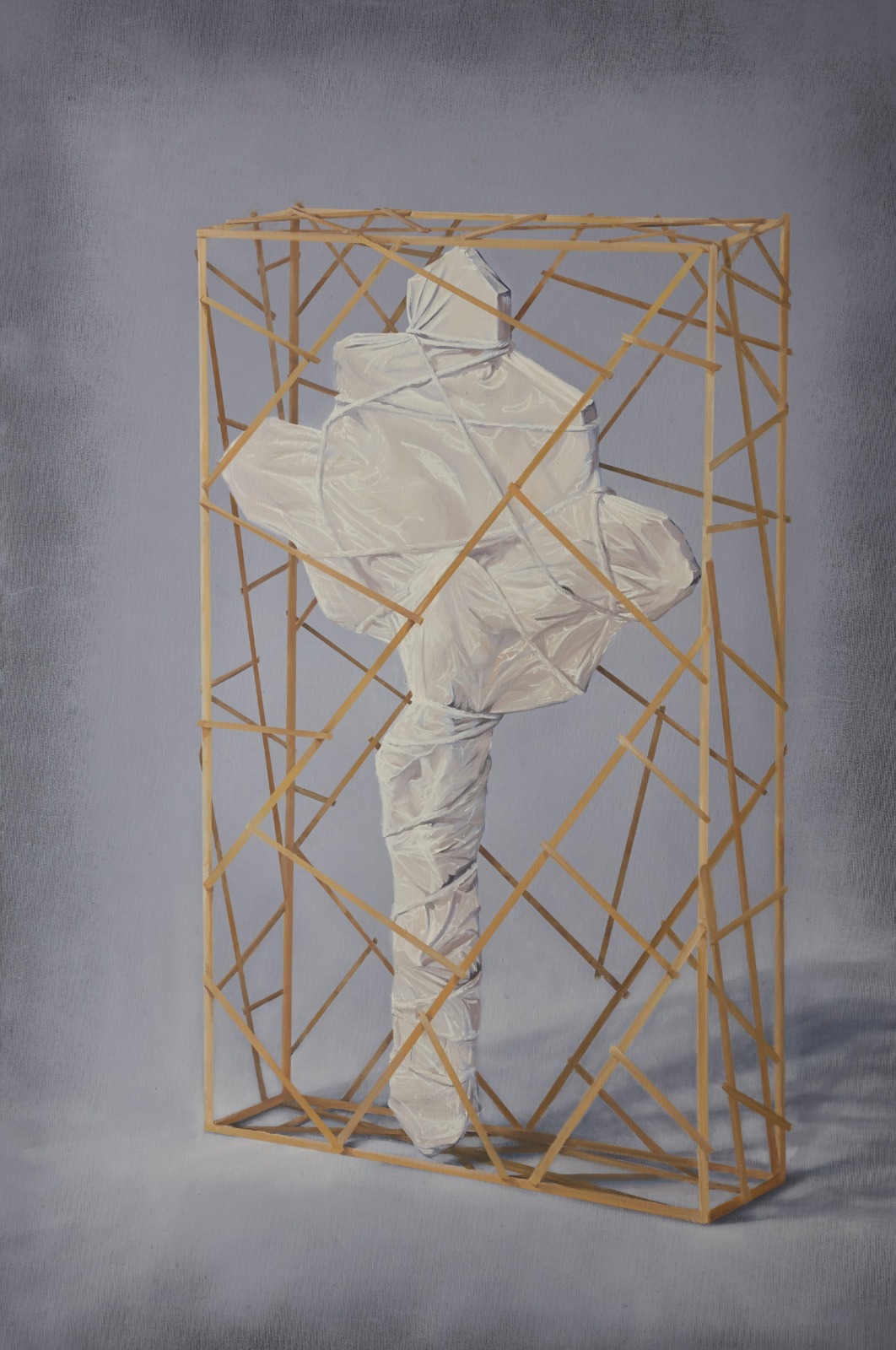
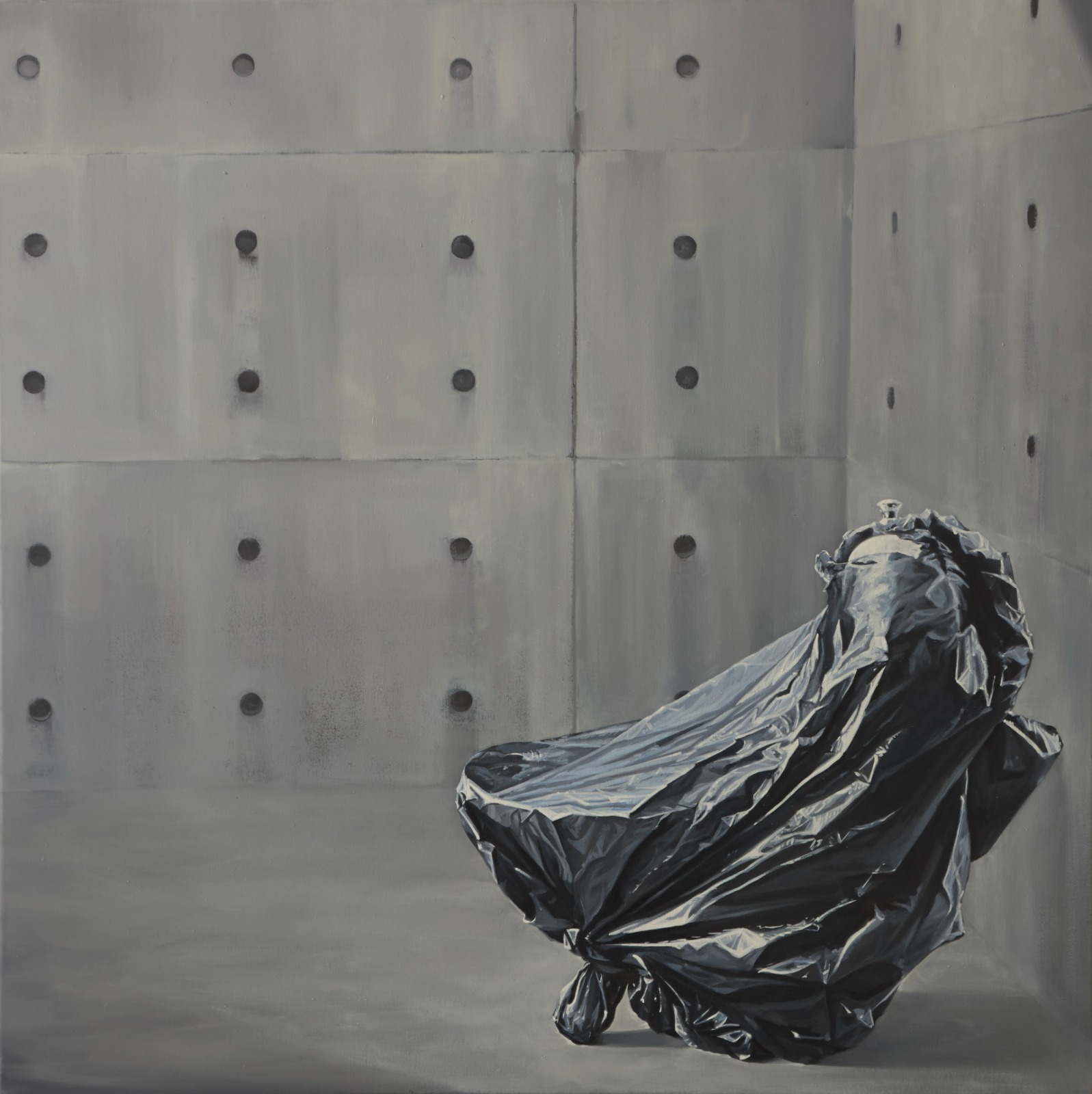
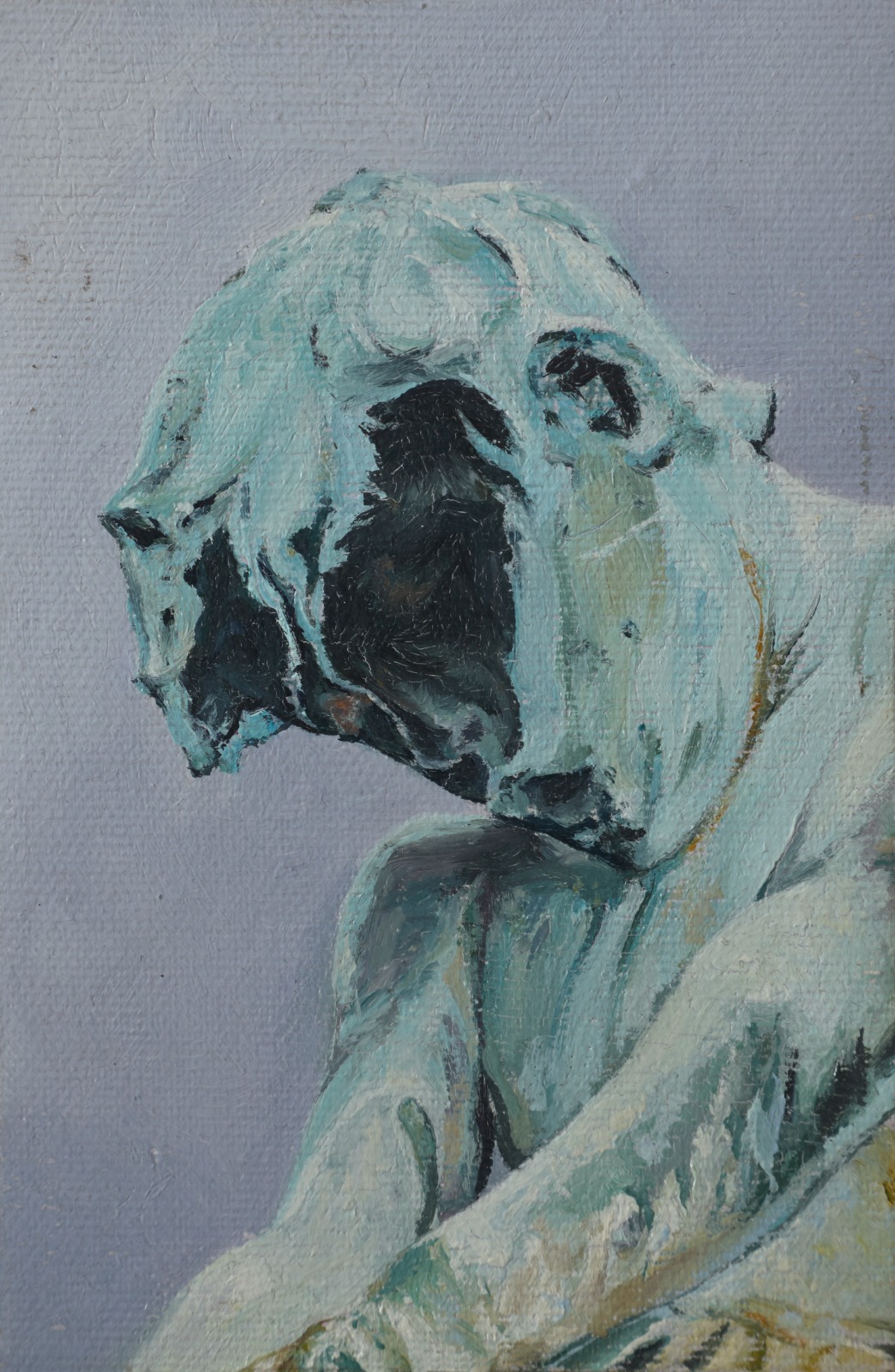
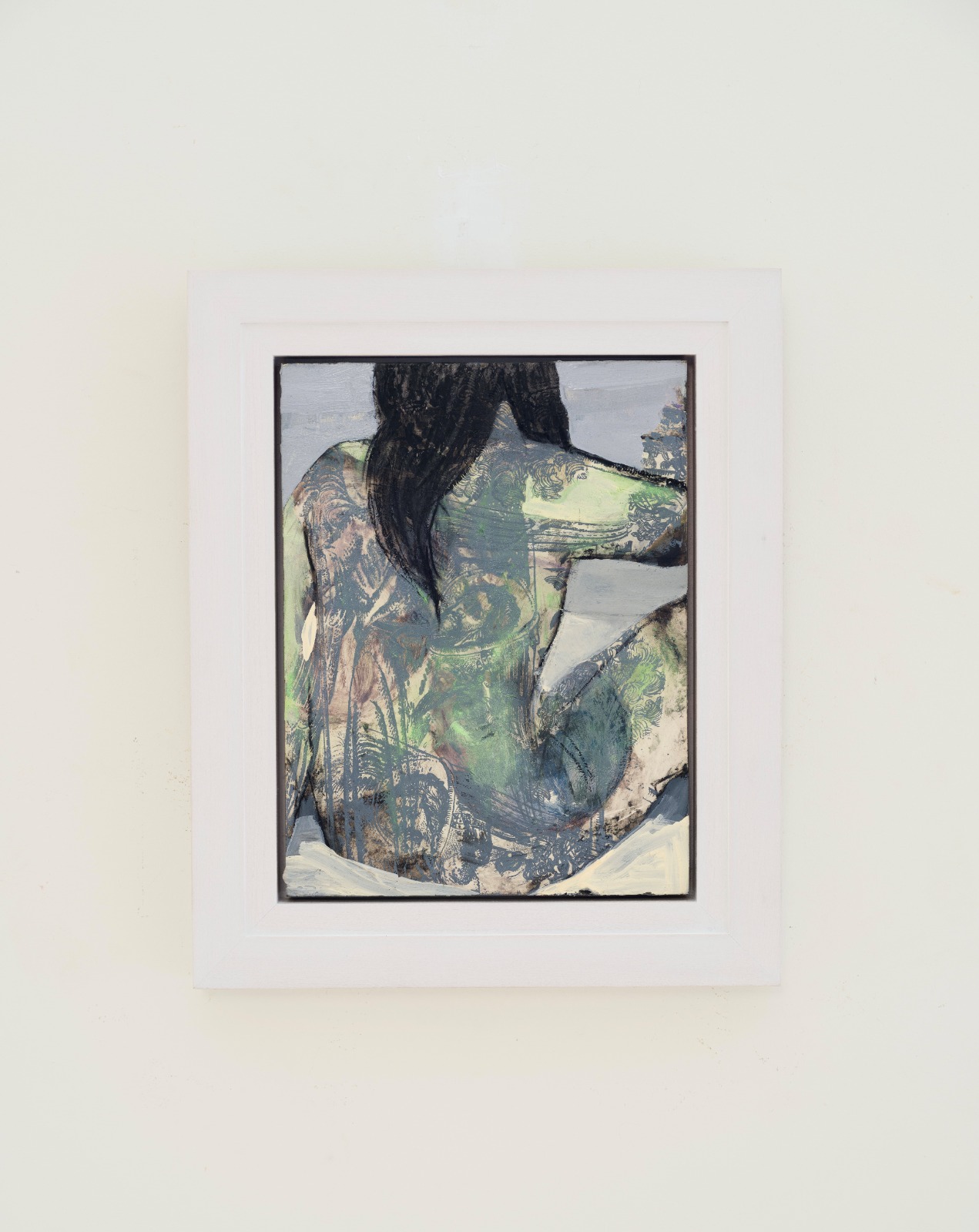
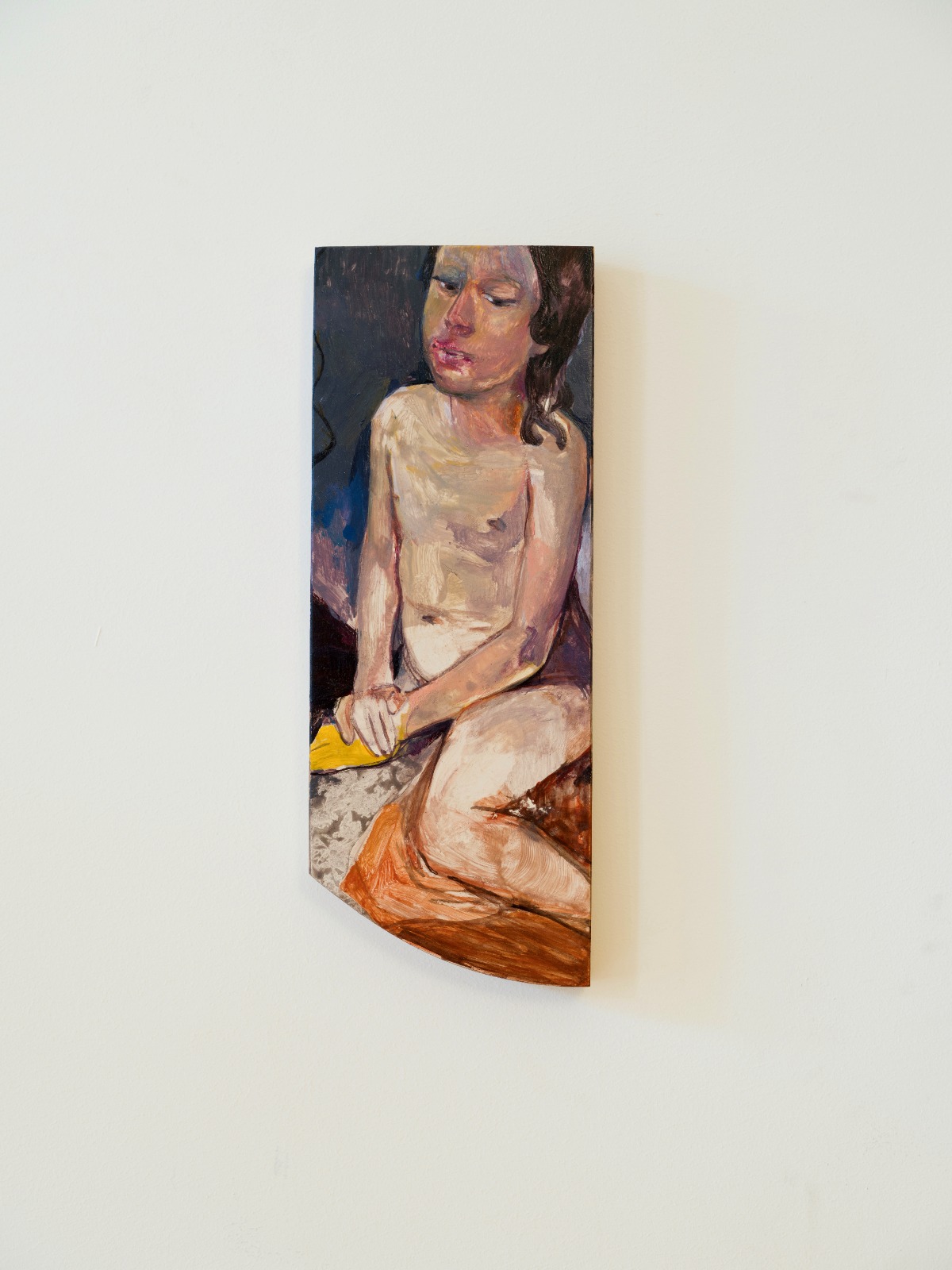
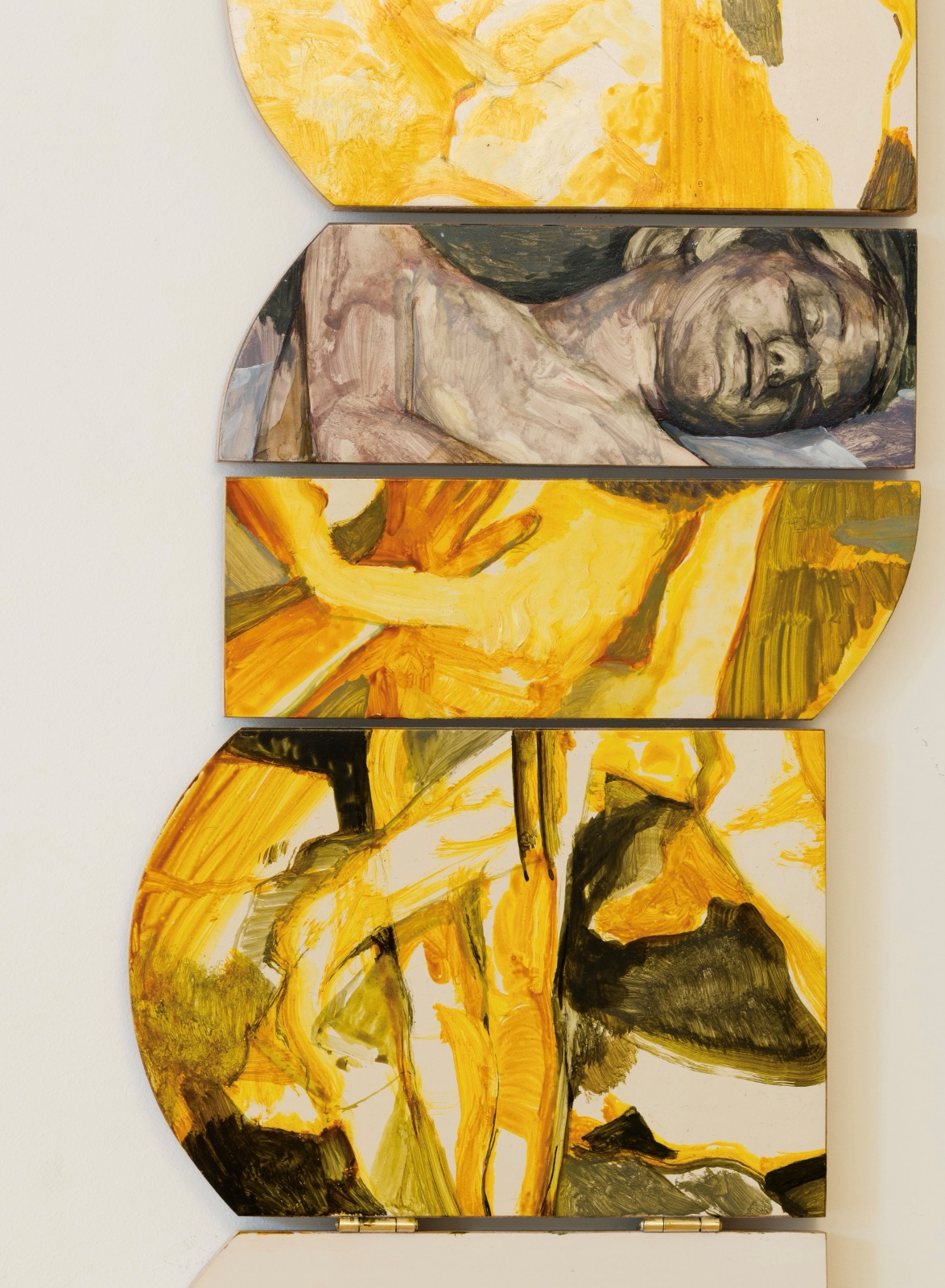
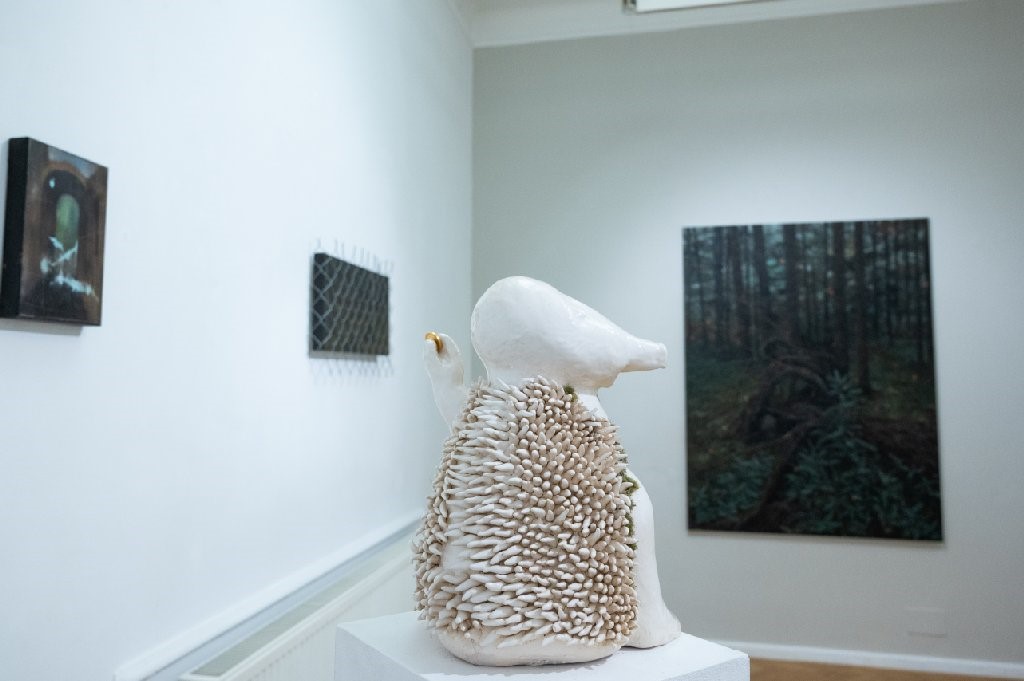
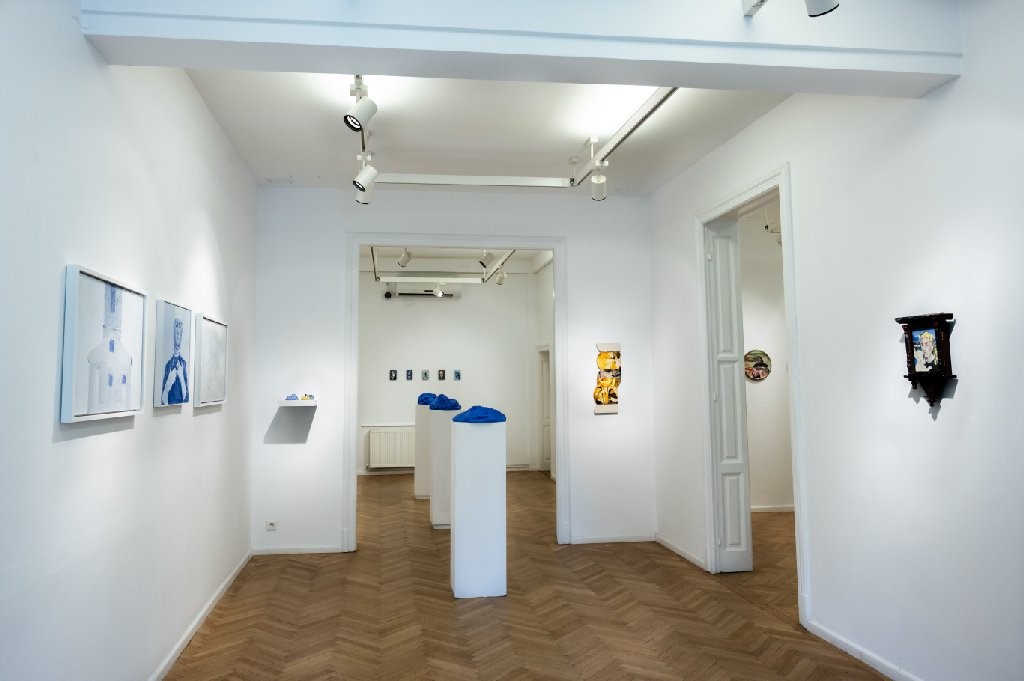
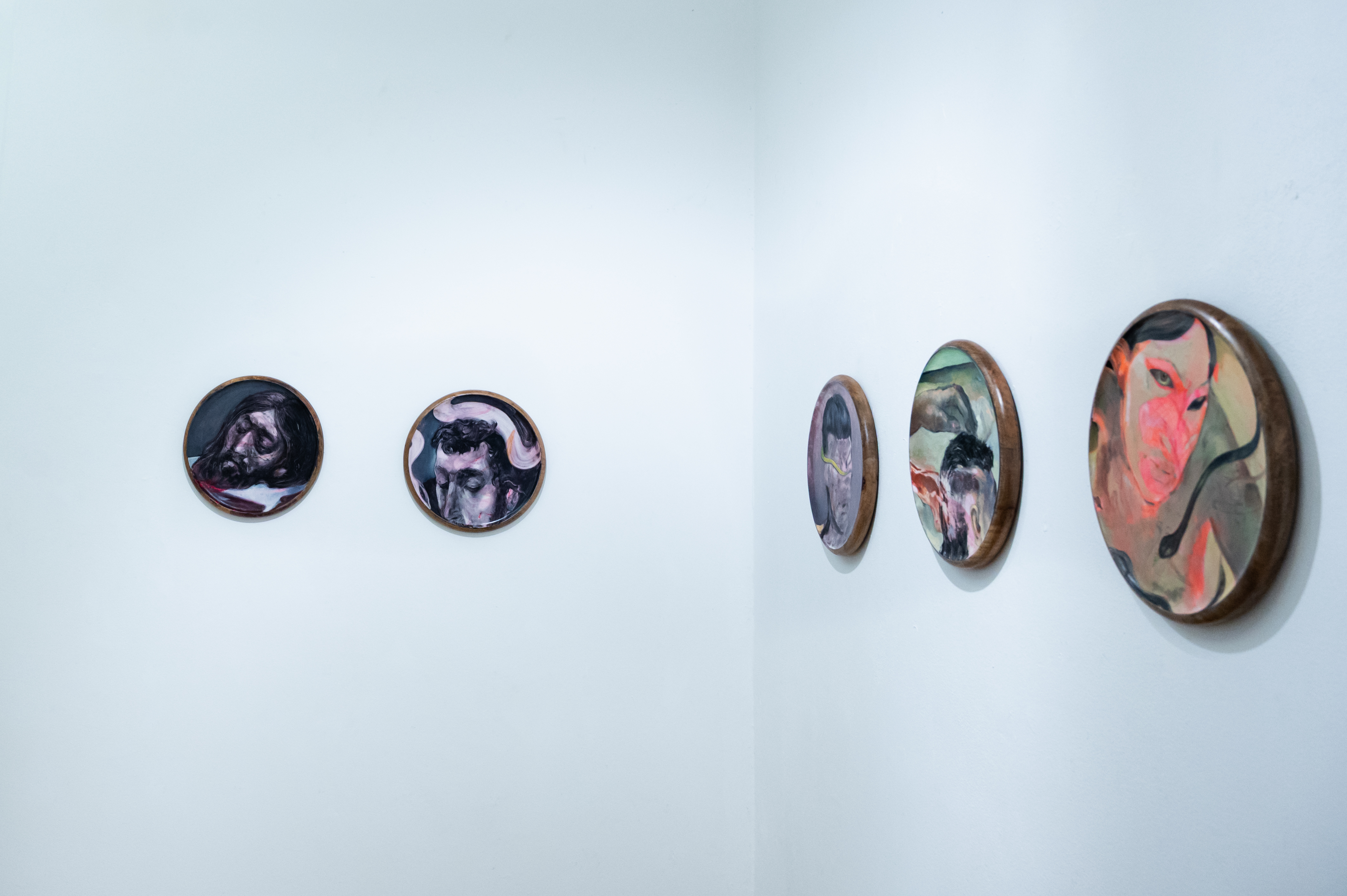
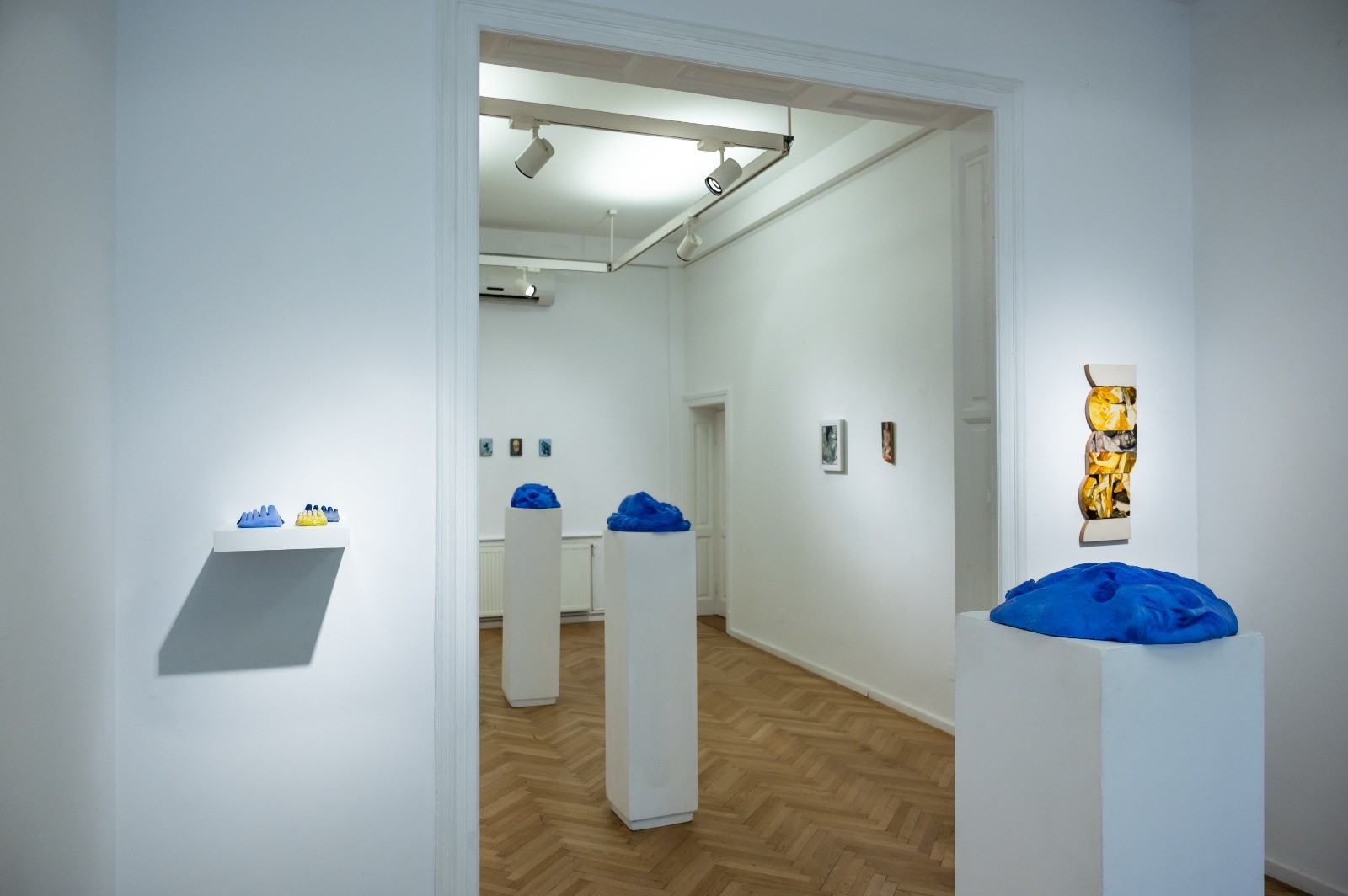
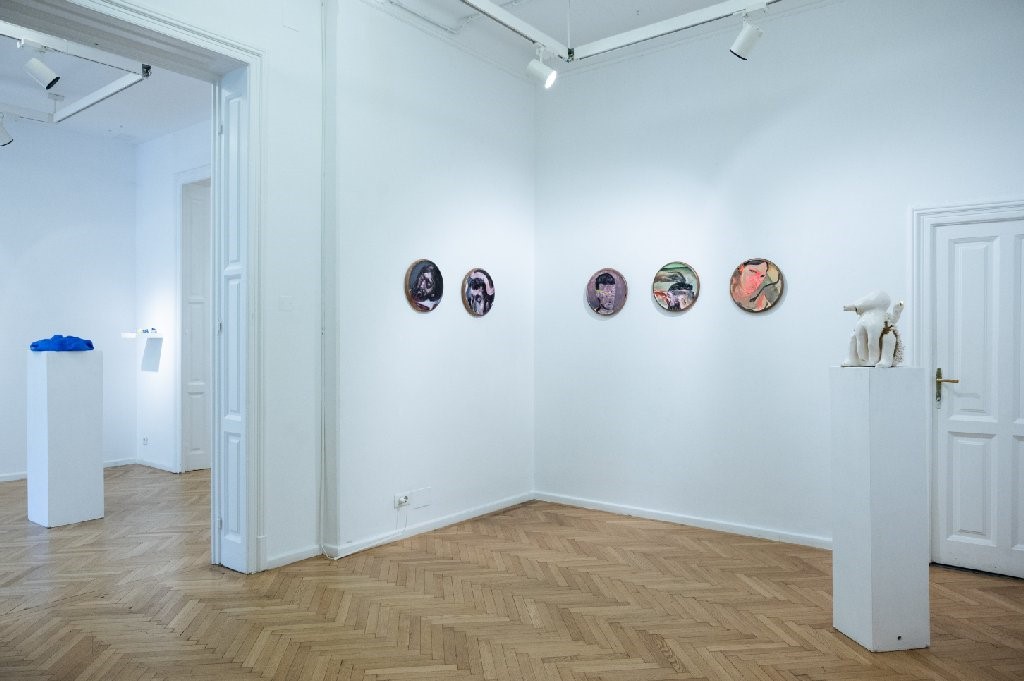
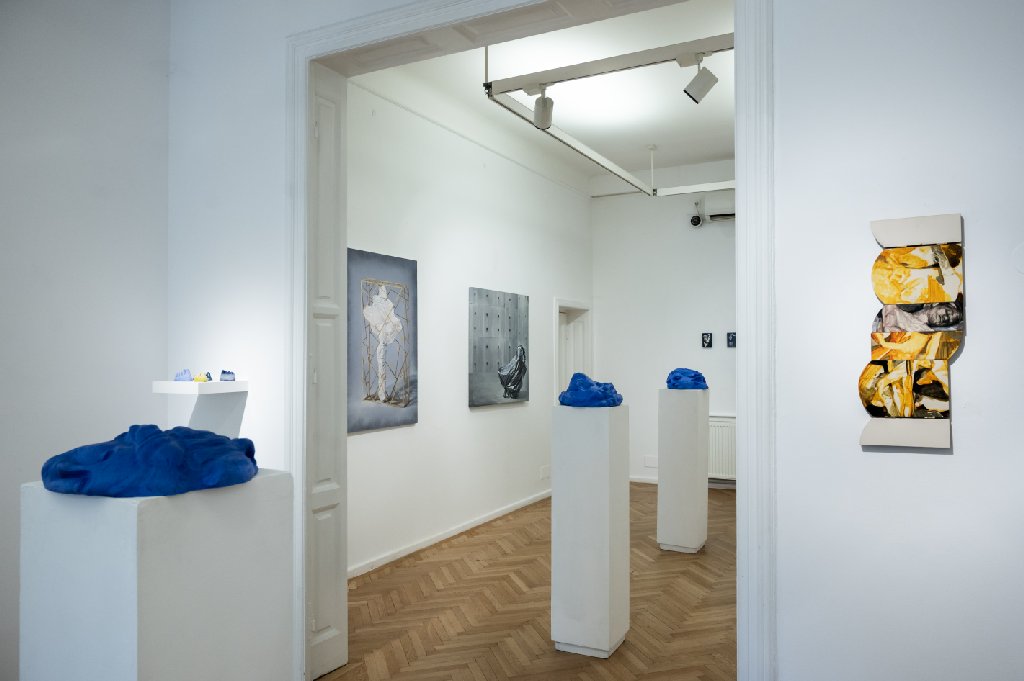
The group exhibition “Trace. Reframe. Disrupt” brings together contemporary artists who, through radical gestures of decontextualization, desacralization of classical forms, or critical engagement with tradition, collectively question how identity is constructed or mythologized within cultural discourse. The works of the six artists — Robert Andacs, Béla Zoltán, Mathias Bar, Miruna Copăcel, Mircea Cuza, and Naiana Vatavu — outline a fragmented map of how each negotiates their relationship with the past while interrogating their own presence in the world.
The exhibition traces a common thread of fragility and the need for re-anchoring: in materiality, in memory, in history. Thus, their search is not only aesthetic but ontological — an attempt to rediscover meaning amid chaos, to find intimacy in isolation, and to reconnect with the self in a symbolic space marked by loss and transformation.
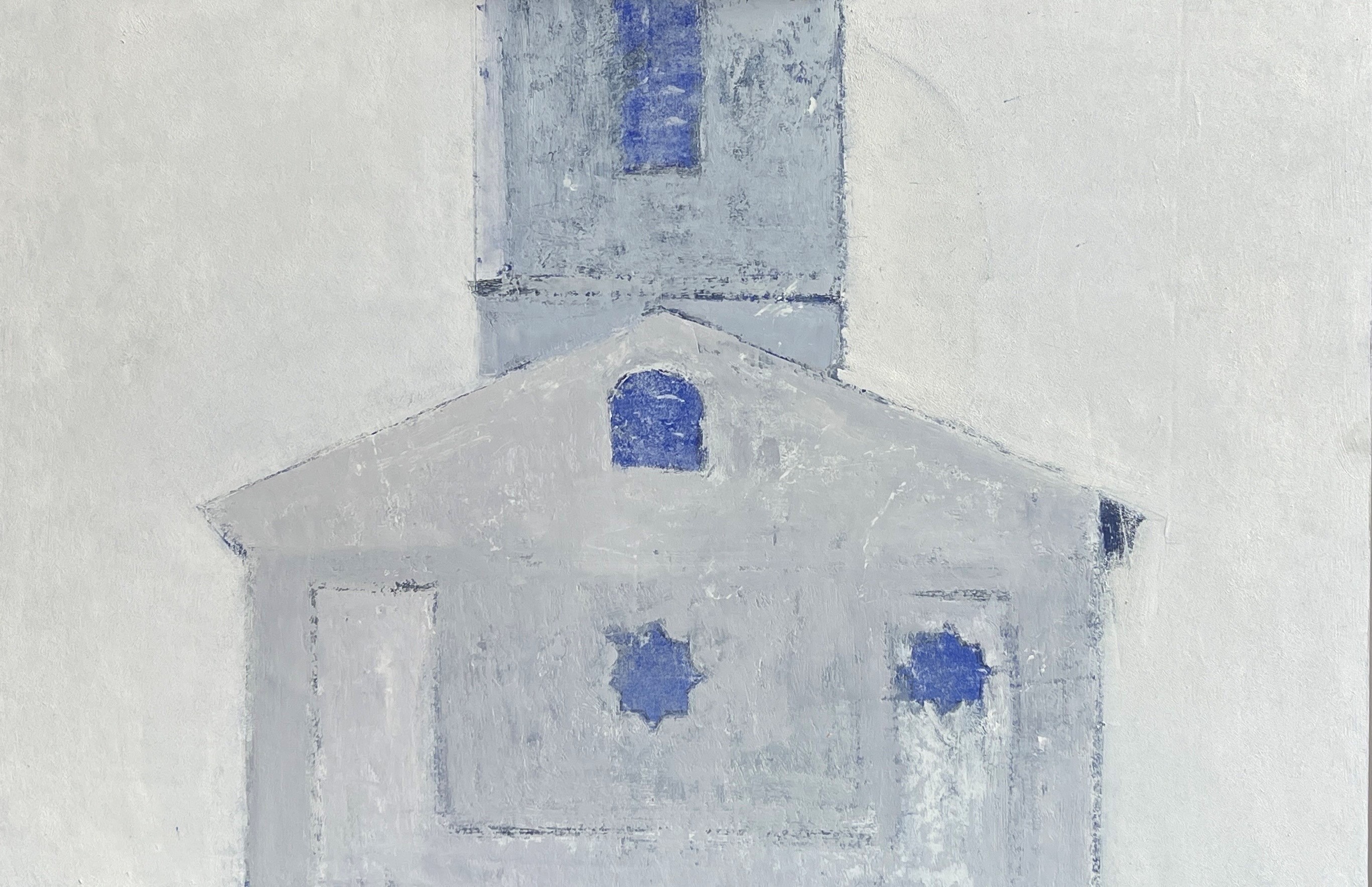
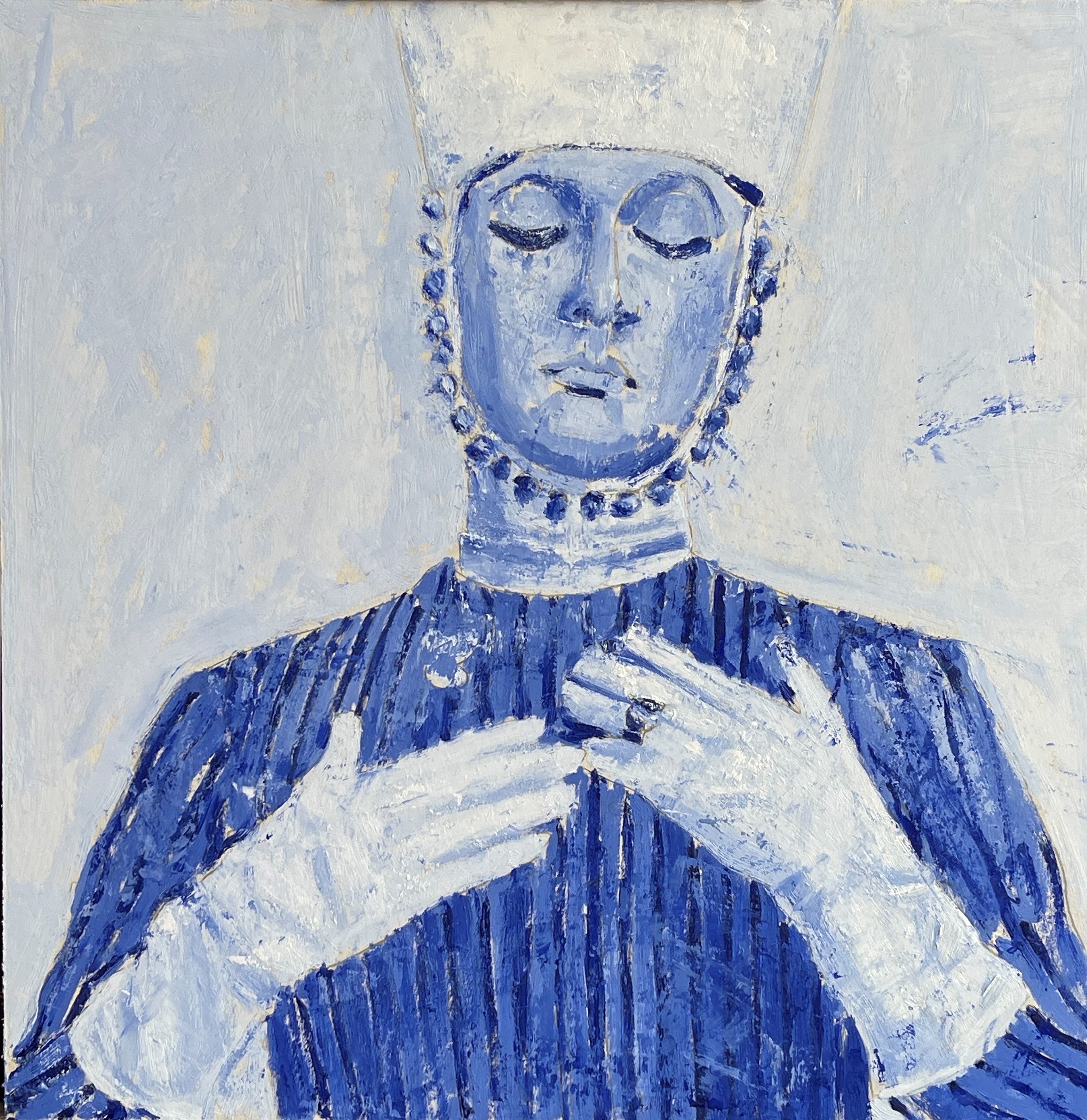
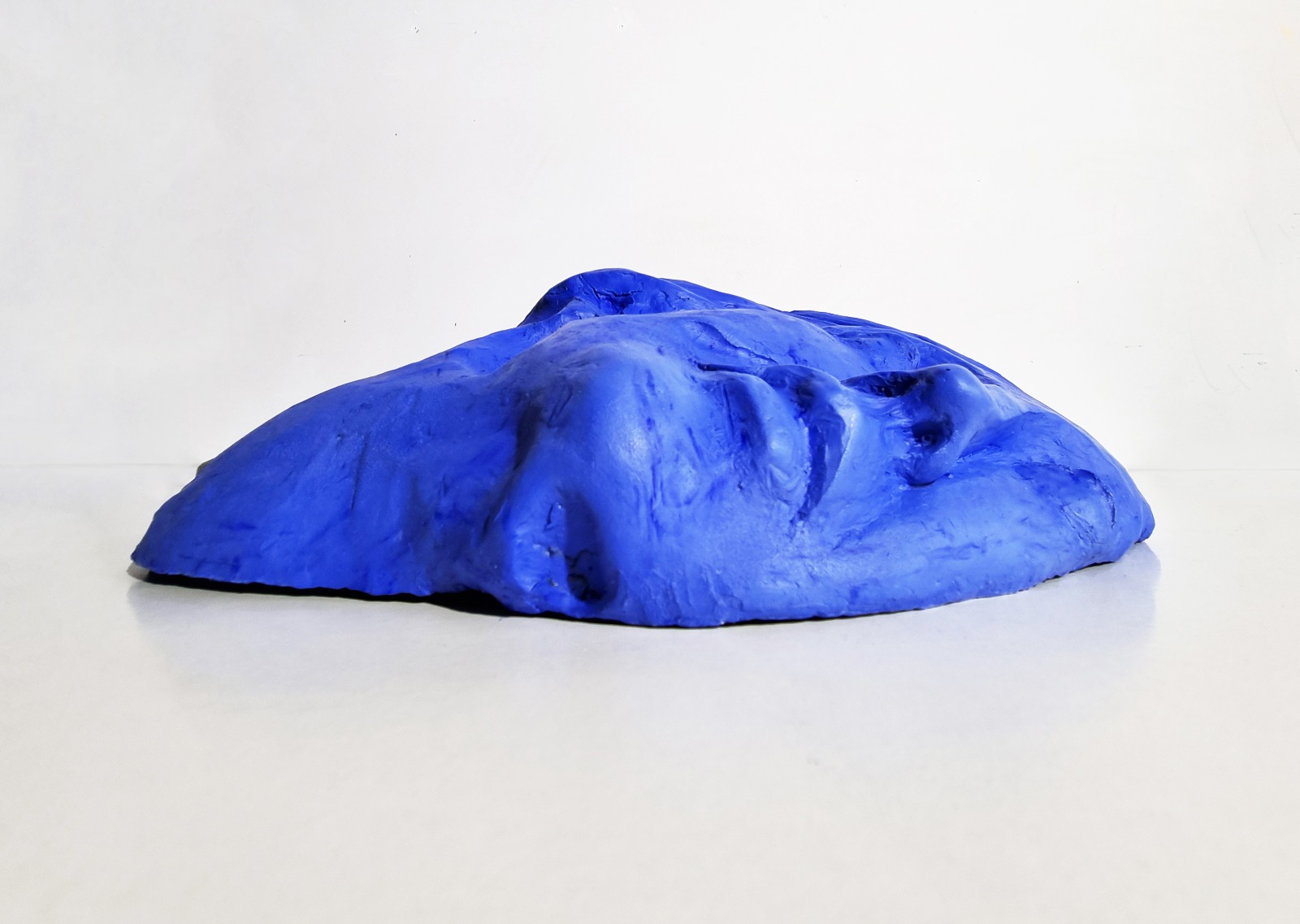
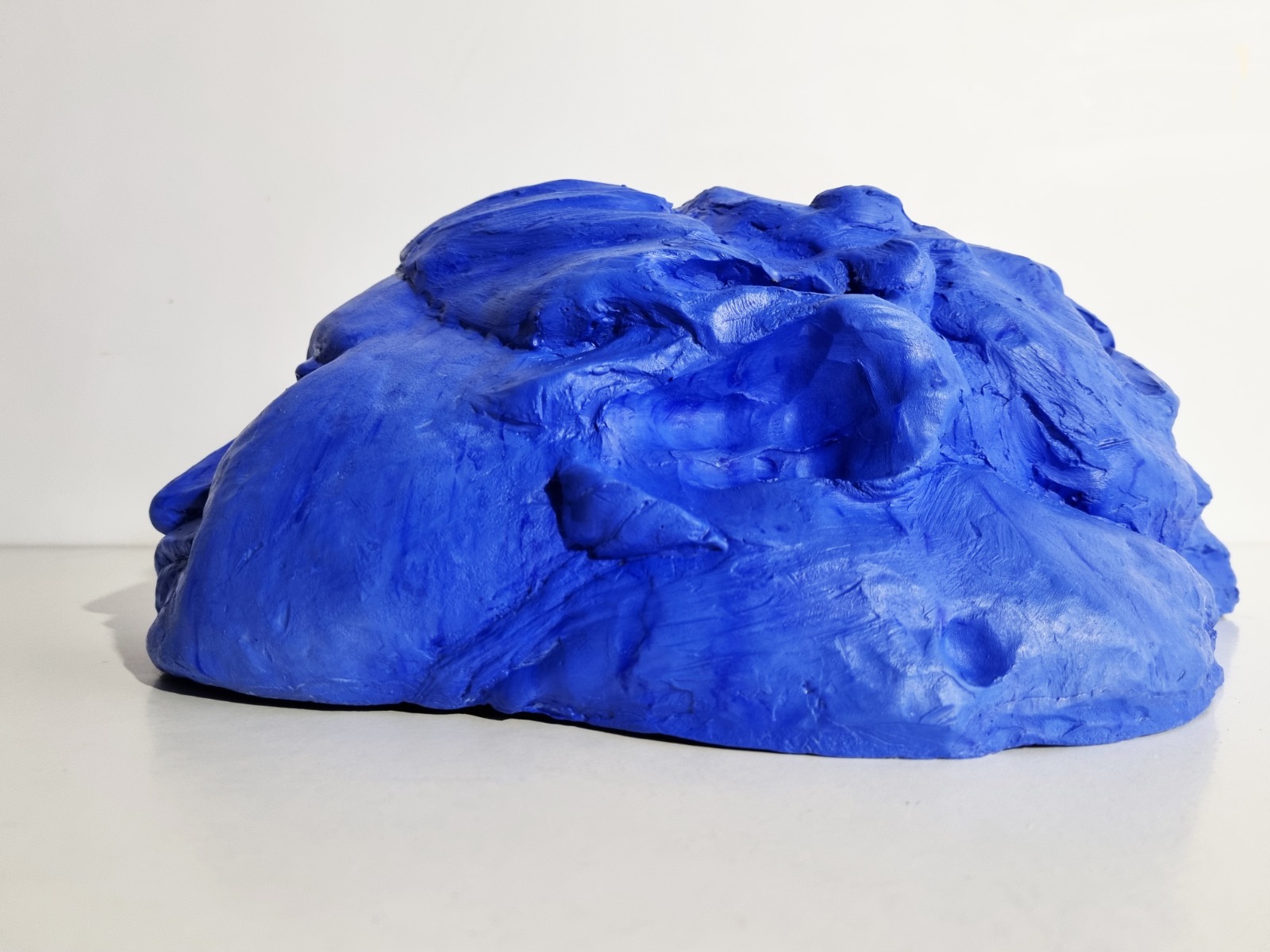
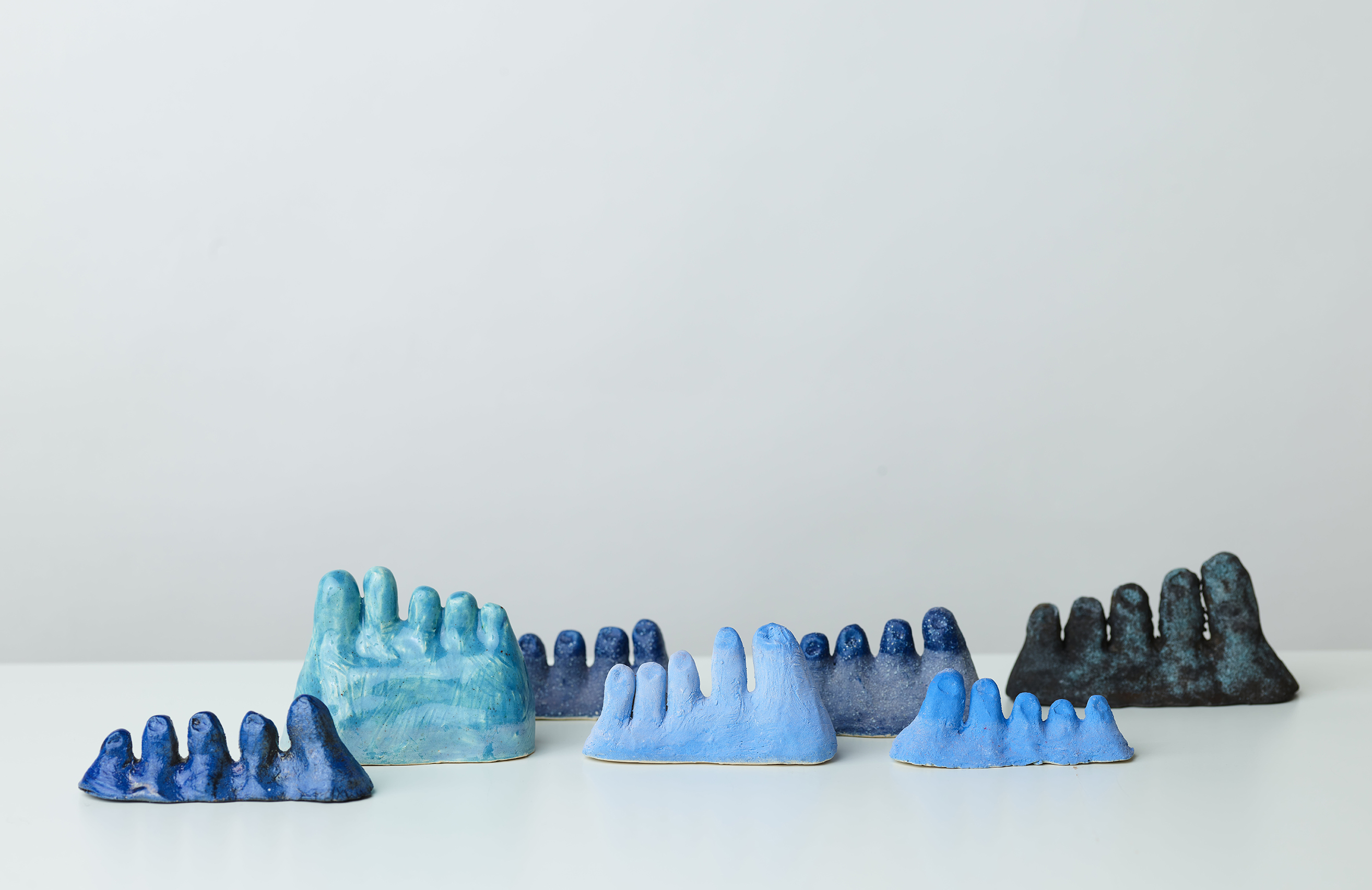
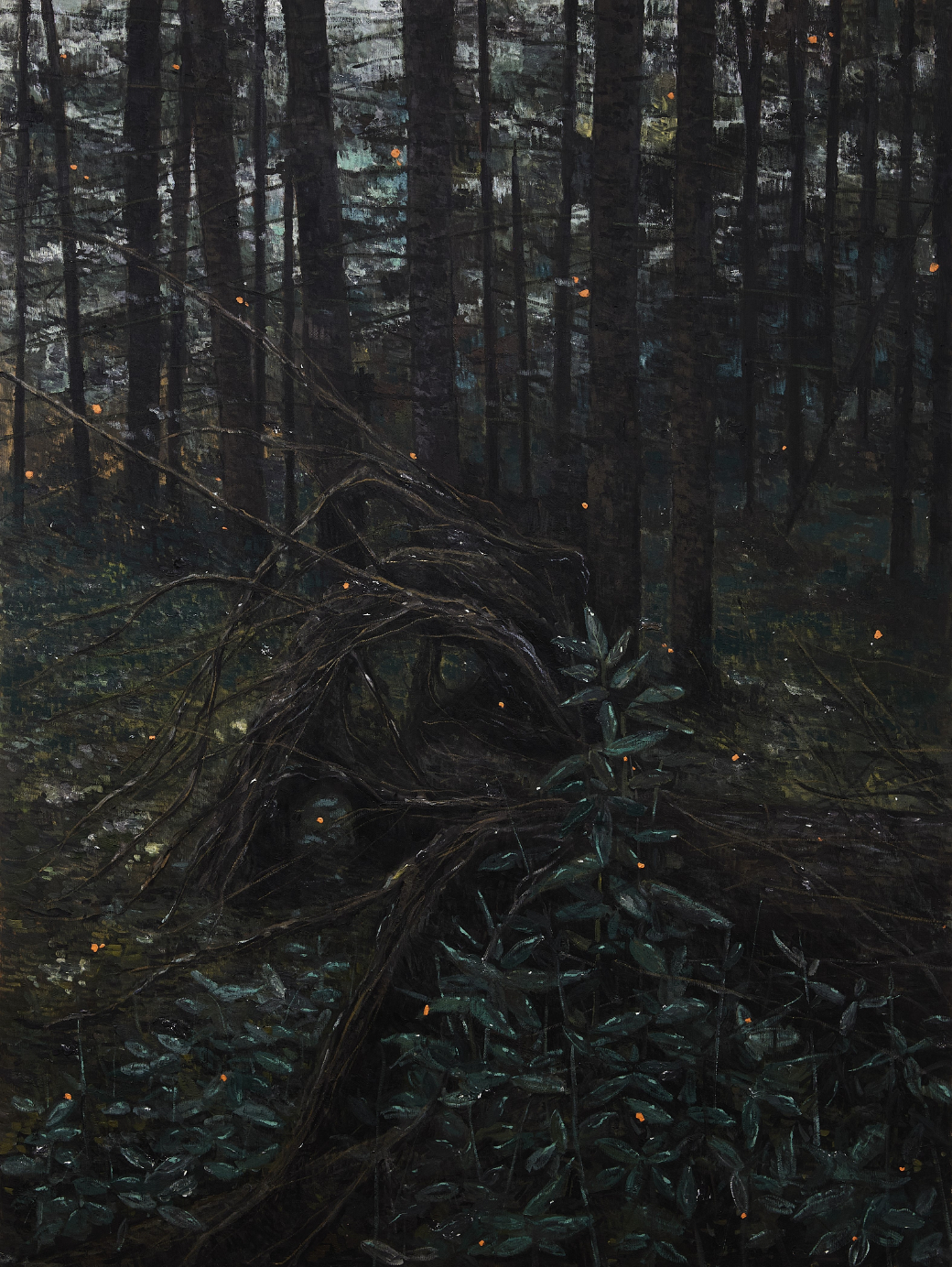
Whether employing subtle irony (Naiana Vatavu), introspection, or fictionalization (Mathias Bar), each of the artists present on the gallery walls rejects mere representation, inviting a reevaluation of canons. Whether we consider the classical clay hurled into the void under the force of gravity (Miruna Copăcel), the introspective blue that blurs the boundaries between object and emotion (Robert Andacs), the landscapes that become metaphors of initiation (Mircea Cuza), or the abandoned objects that question the boundary between presence and absence (Béla Zoltán), each work becomes a space of reflection — an invitation to reconnect with the self, a form of searching for authenticity.
We discover a fragile balance between the real and the symbolic, visually translated through a series of images and objects that act as markers of an identity quest shaped by reverie, silence, ritual, and transformation. Despite differences in formal approach or materiality, what profoundly connects the work of the six artists is their shared interest in what Walter Benjamin called the “aura” of the object — that unique presence, that deep sense born from the authenticity of the artistic gesture.
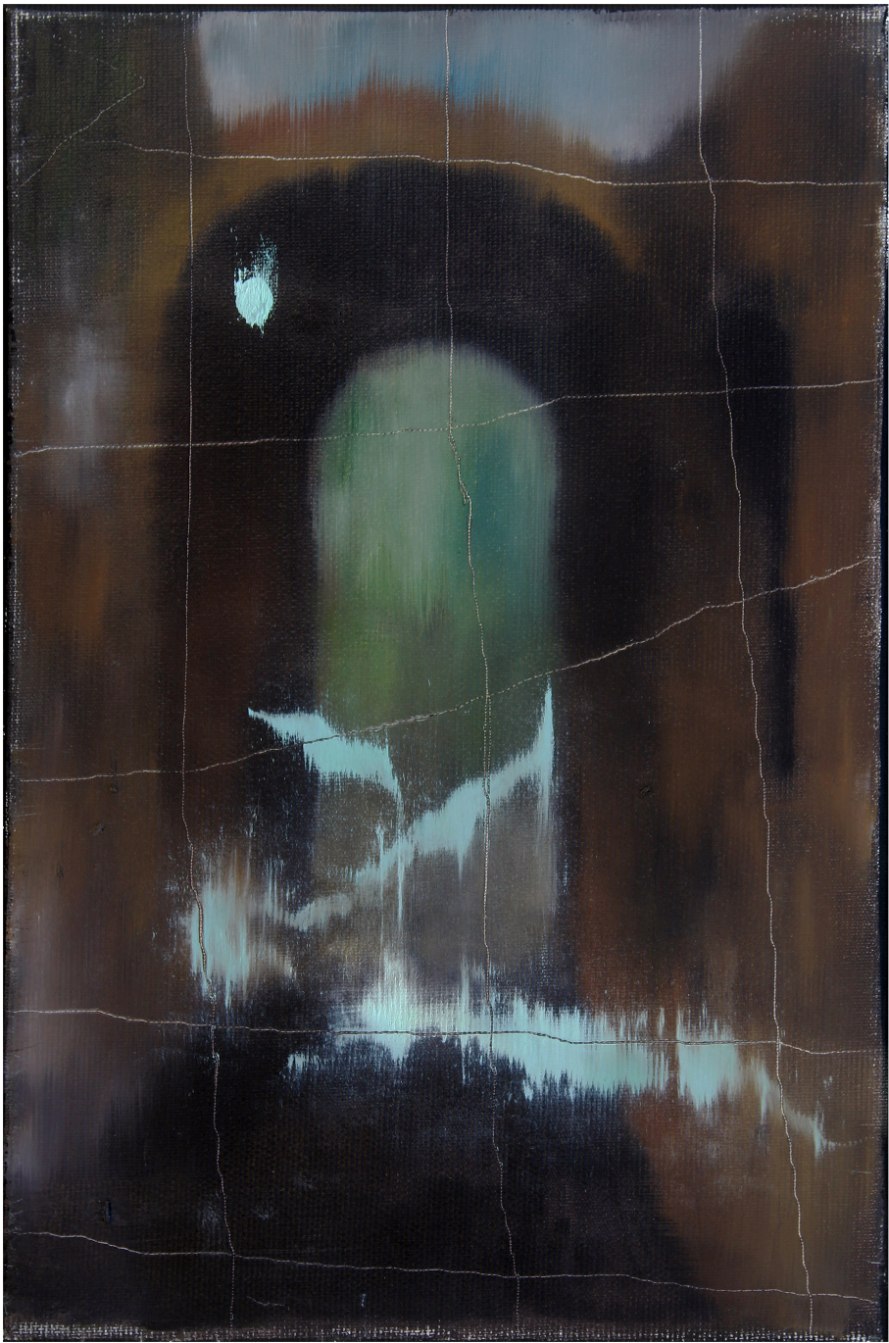
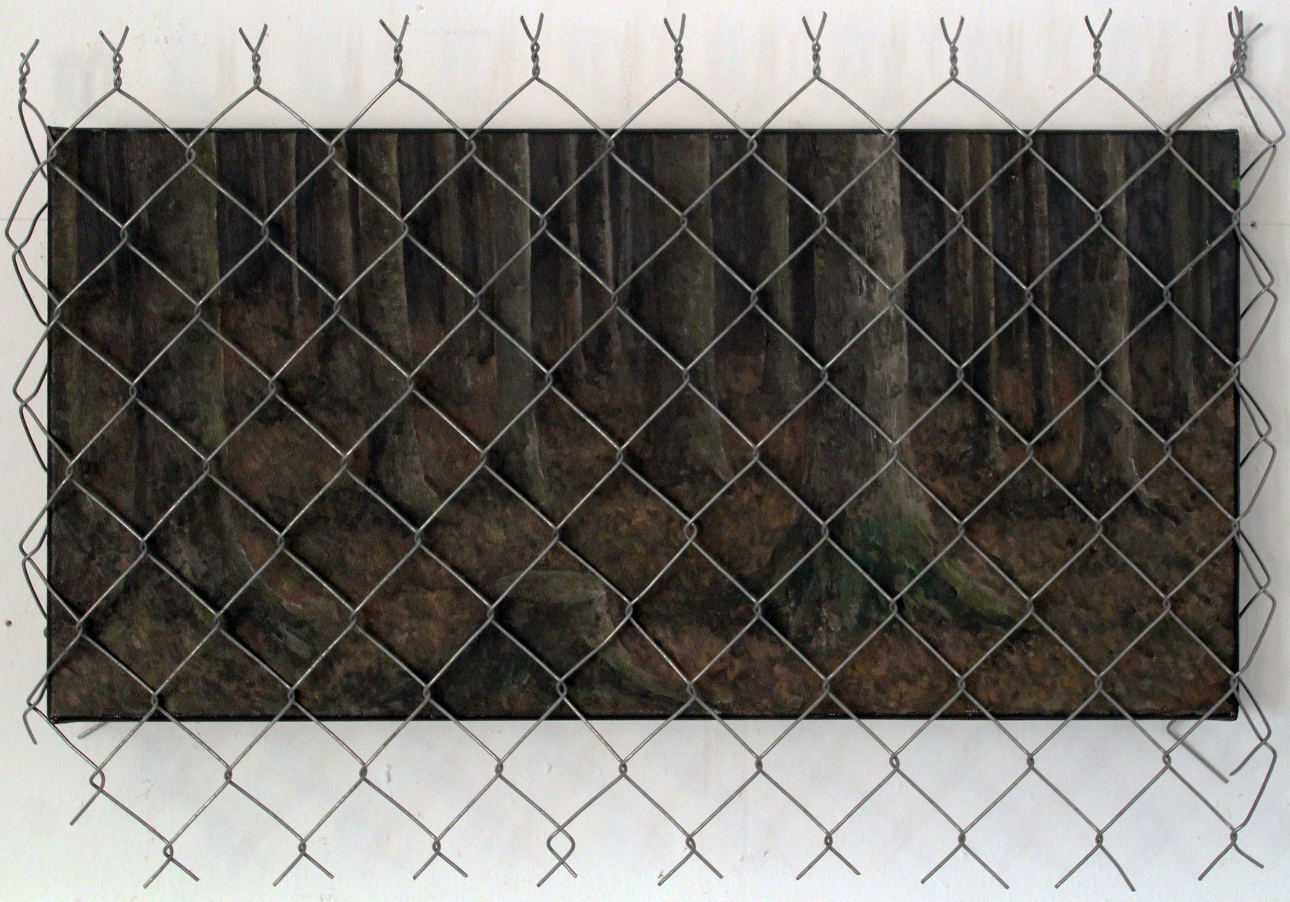
In Robert Andacs’s case, absence is evoked through visual metaphors, through a sensibility that uncovers in silence and shadow the sources of mute relics. In a complementary key, Béla Zoltán’s works seem to reconstruct an emotional cartography of the present through echoes of the past. With Andacs, time dilates, becoming a resonance chamber of memory, where gentle gestures and static figures appear suspended between sleep and revelation. With Zoltán, memory takes on a stratified, urban, almost archaeological dimension, and forgotten objects and marginal frames become carriers of recovered meaning. In the first case, contemplation unfolds in solitude, in an inner space sanctified by silence; in Zoltán’s work, a sedimented time emerges, where pictorial matter absorbs traces of passage, wear, and abandonment.
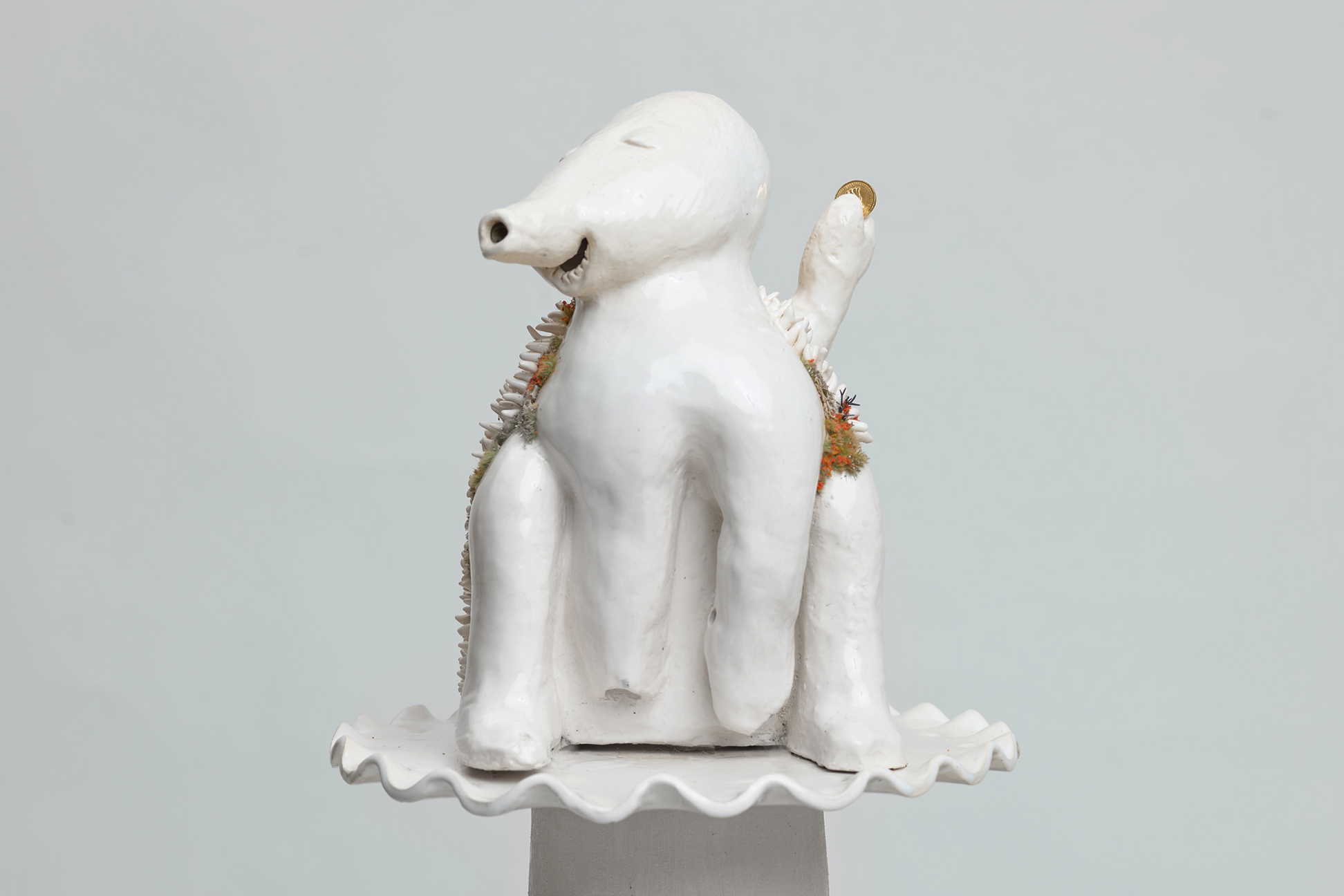
In contrast to the poetics of silence and emotional memory seen in the works of Andacs and Zoltán, Naiana Vatavu’s project introduces a critical dimension with lucid irony, examining memory not as a space of contemplation but as a terrain for manipulation and mythological reconfiguration. Her objects bear traces of a discreet, melancholic presence and a simulated aura — one that is deliberately fabricated to question the very authenticity and politics of memory.
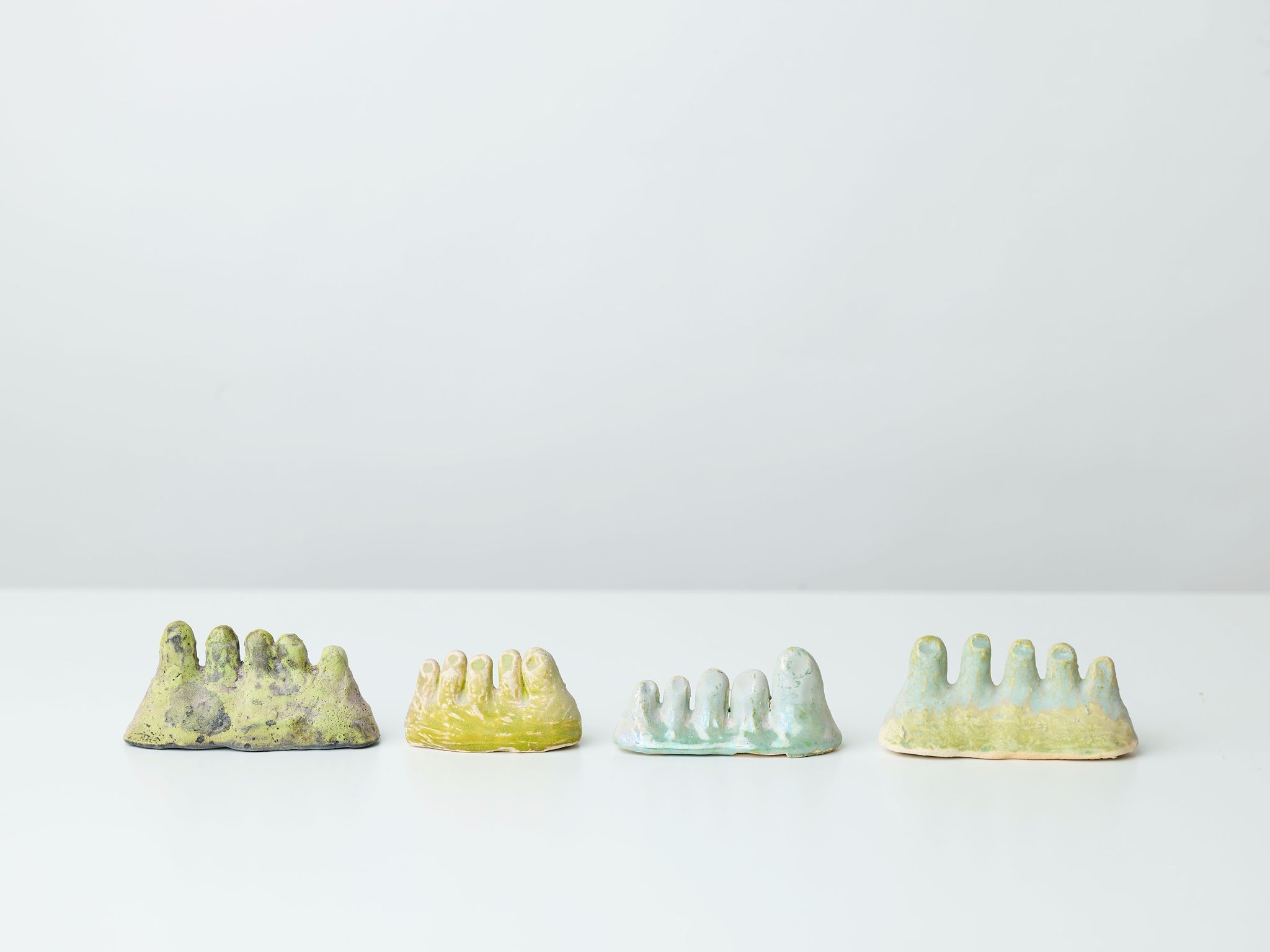
Mircea Cuza, however, foregrounds a form of active and reverent dialogue between contemporaneity and tradition, where the past is not viewed as a refuge or relic, but as a living resource for knowledge and artistic regeneration. If previous approaches reflect various forms of deconstructing memory, in Cuza’s work the return to tradition becomes an act of anchoring — a bridge between cultural continuity and artistic innovation, through which the present is clarified and enriched in the light of historical heritage.
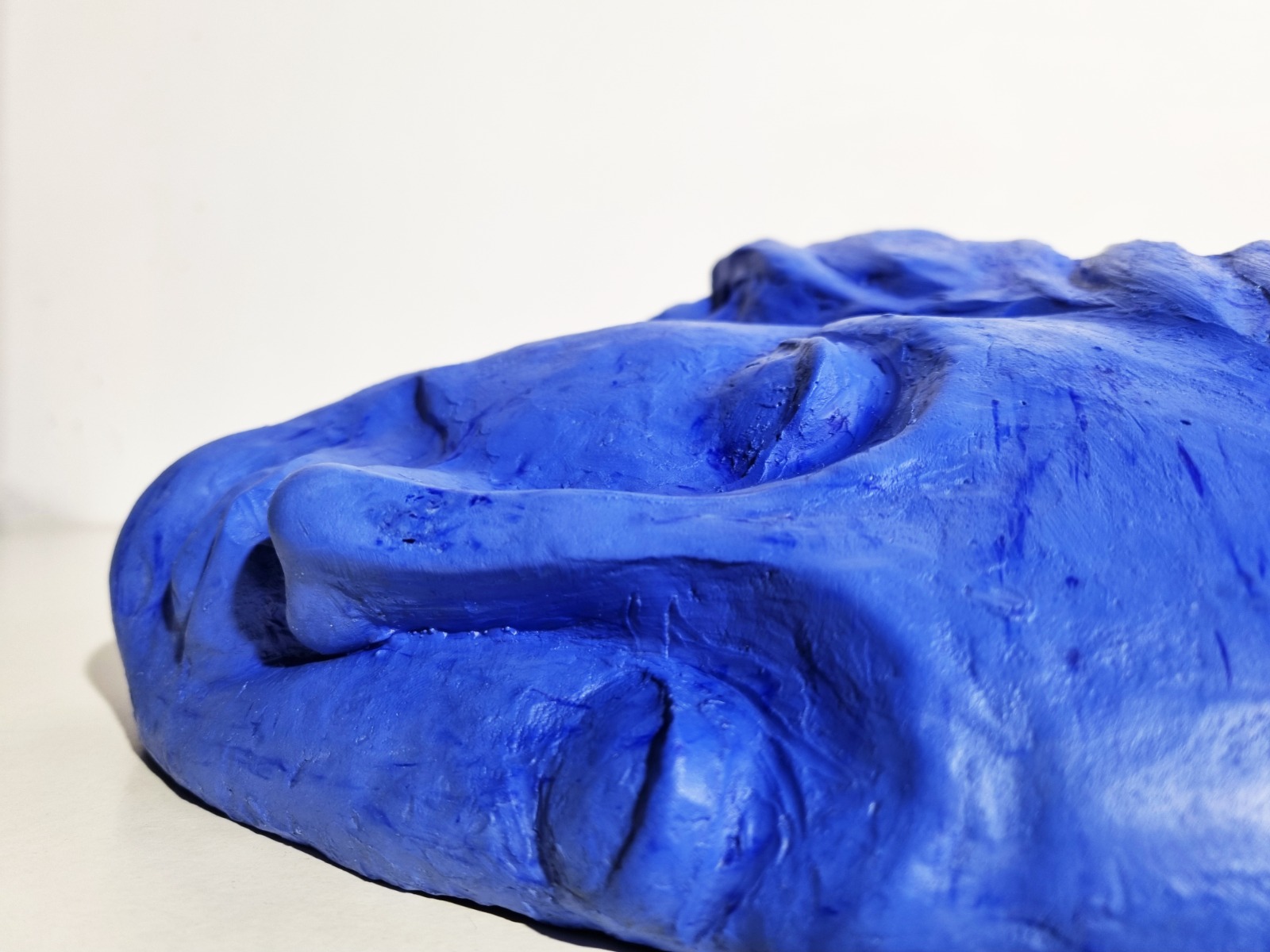
In the continuation of inquiries into the construction of meaning in the present, Miruna Copăcel approaches classical form not as something immutable, but as an unstable terrain subject to transformation, questioning how cultural values and perceptions of materiality and tradition are rewritten through motion, deformation, and time. Gravity thus becomes the instrument of an irreversible metamorphosis — a sculptural force that allows the artist to subvert the traditional portrait and reveal the fragility of the symbols that define our visual and cultural identity.
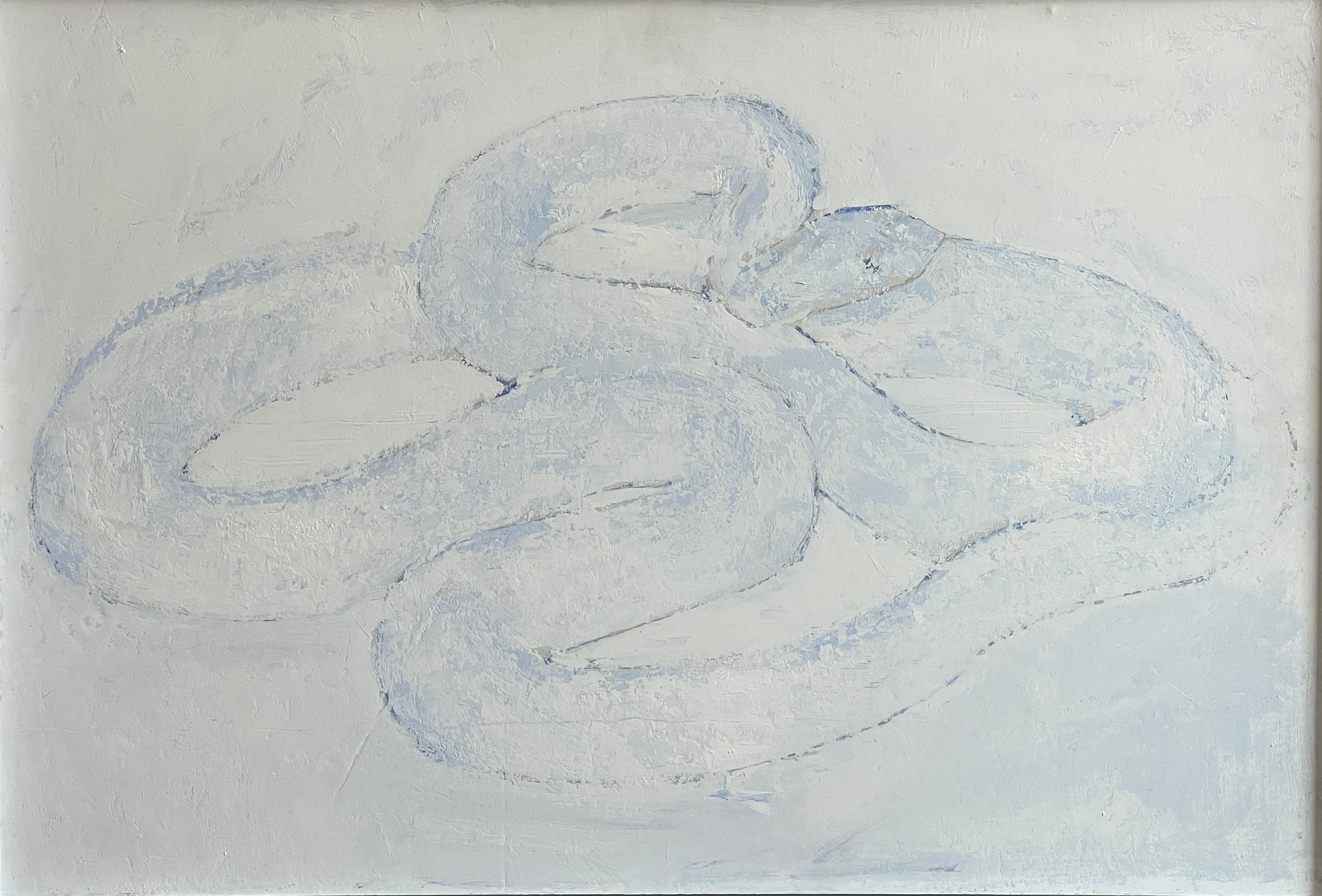
Within this network of tensions and metamorphoses, Mathias Bar’s works offer a deeply introspective exploration, in which ethereal characters and dreamlike landscapes float in a temporal fluidity that reflects unstable inner states and subtle transformations of the self. Like the other artists, Bar does not offer definitive answers but opens spaces of ambiguity and reflection, where past, present, and the imaginary intertwine in a poetic and symbolic visual narrative. The motif of the serpent — present in other works in the exhibition as well — becomes a recurring symbol of identity transformation, marking cycles of loss, regeneration, and reinvention.
The gallery space thus becomes a metaphor for this unstable territory of contemporary existence, where perceptions dissolve and the boundaries between who we are and who we are becoming remain perpetually open.