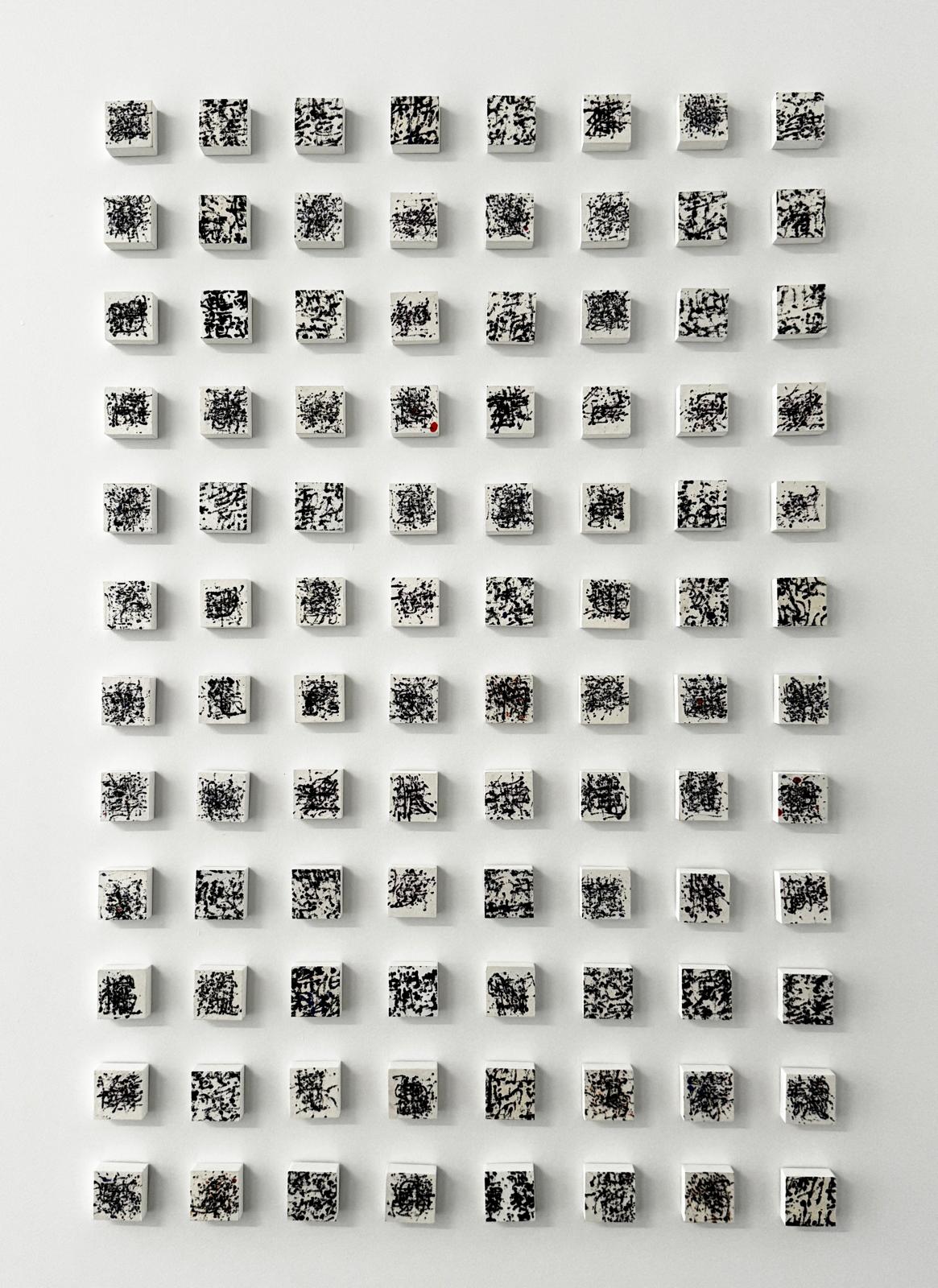
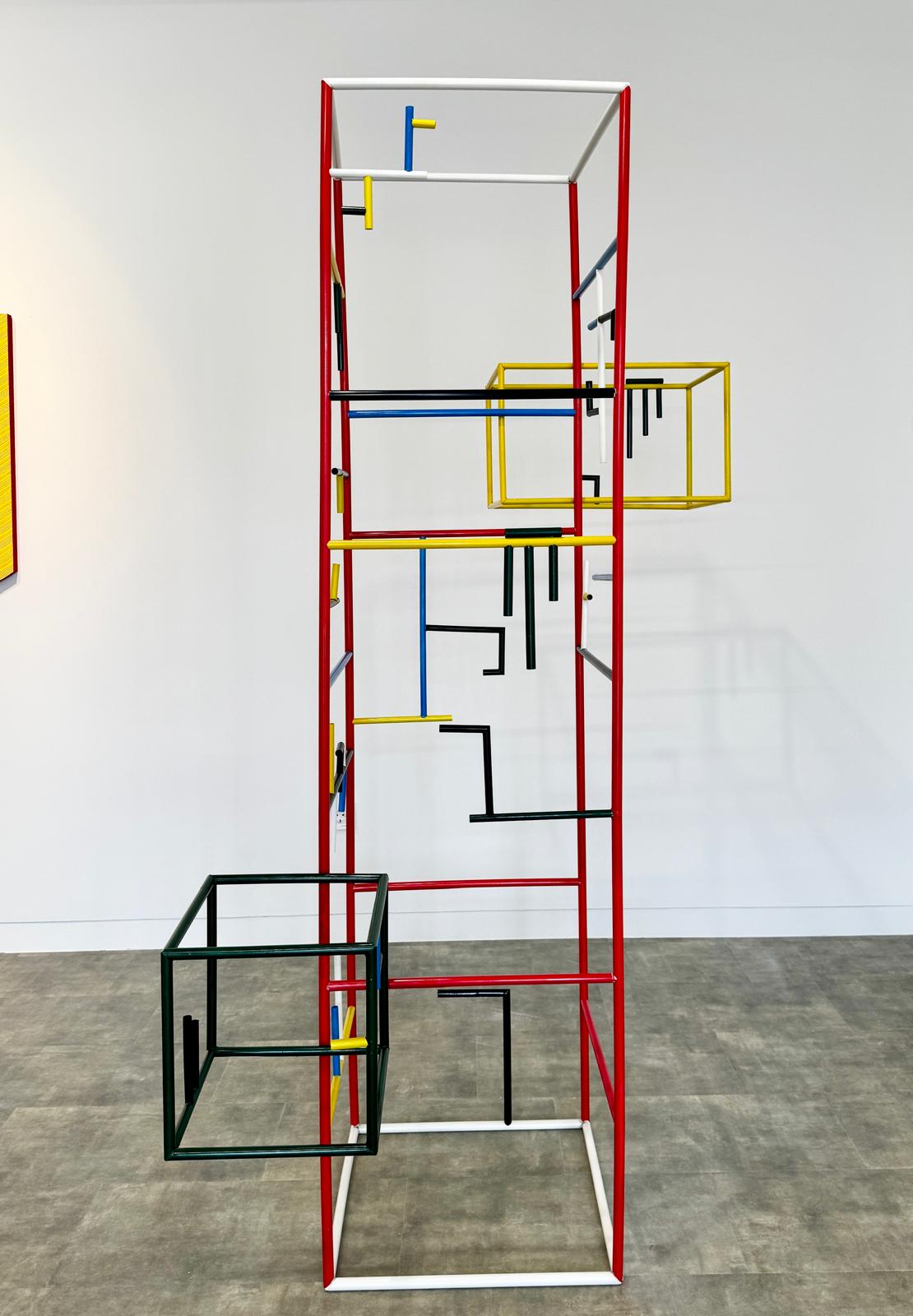
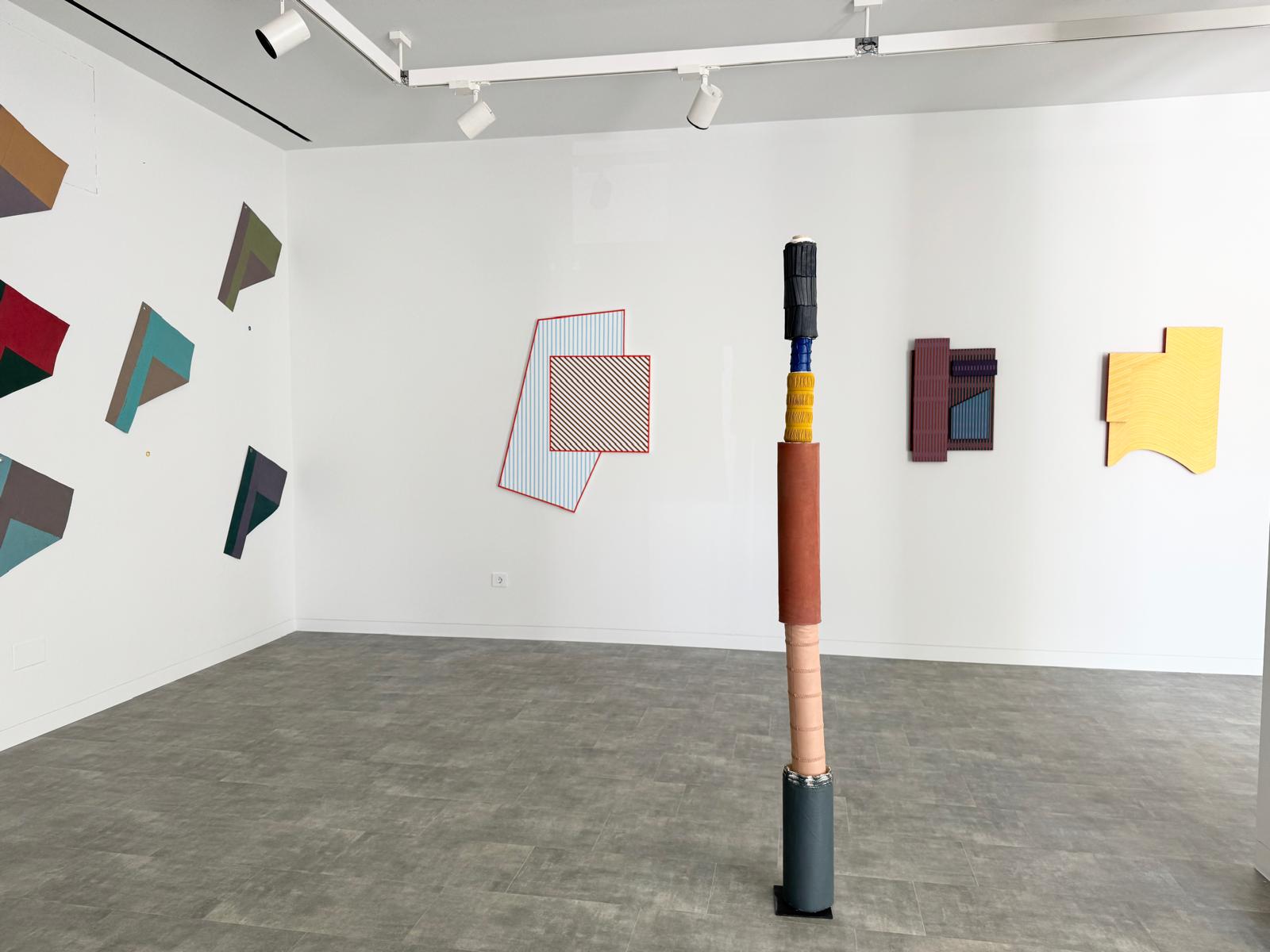
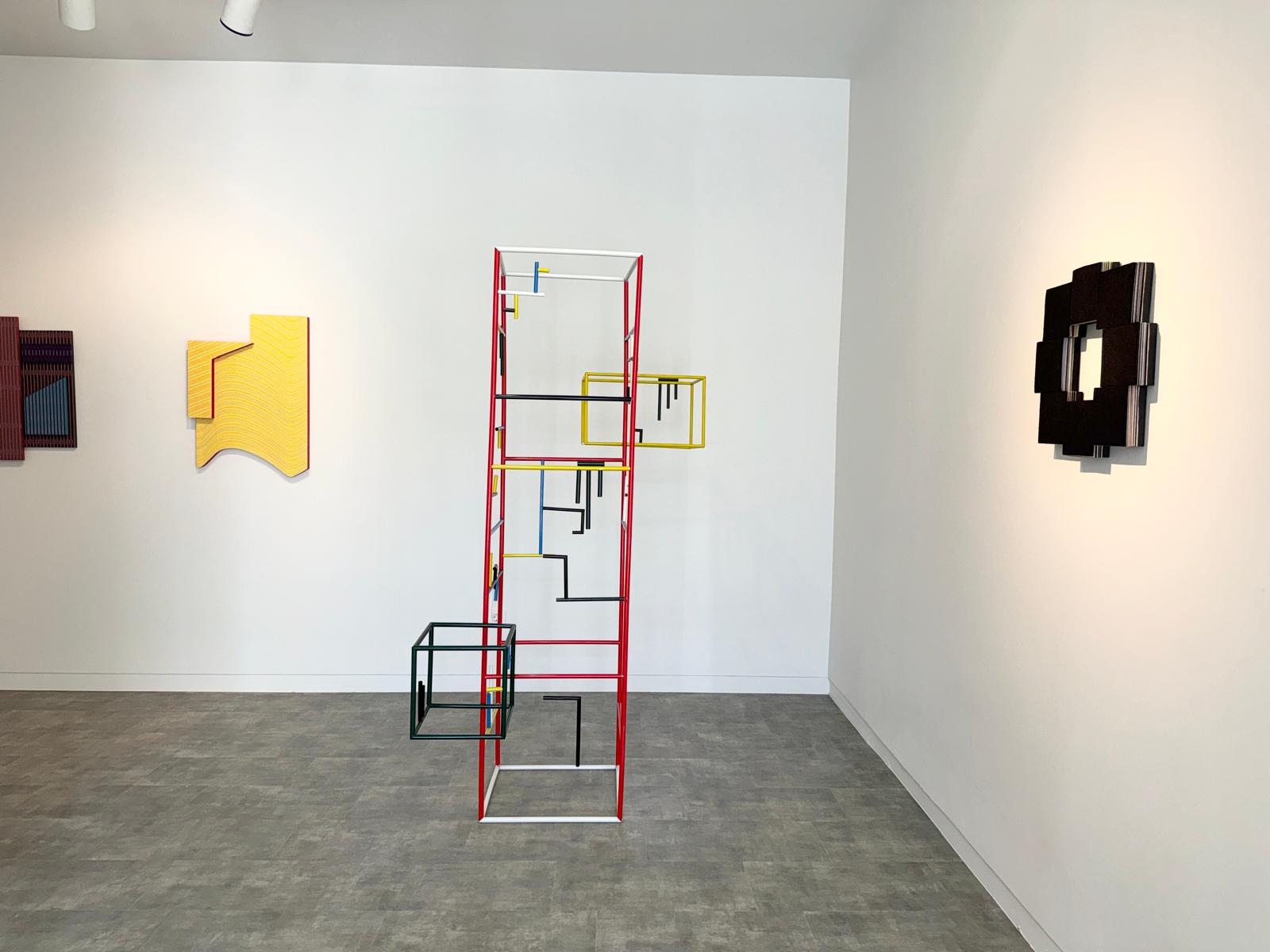
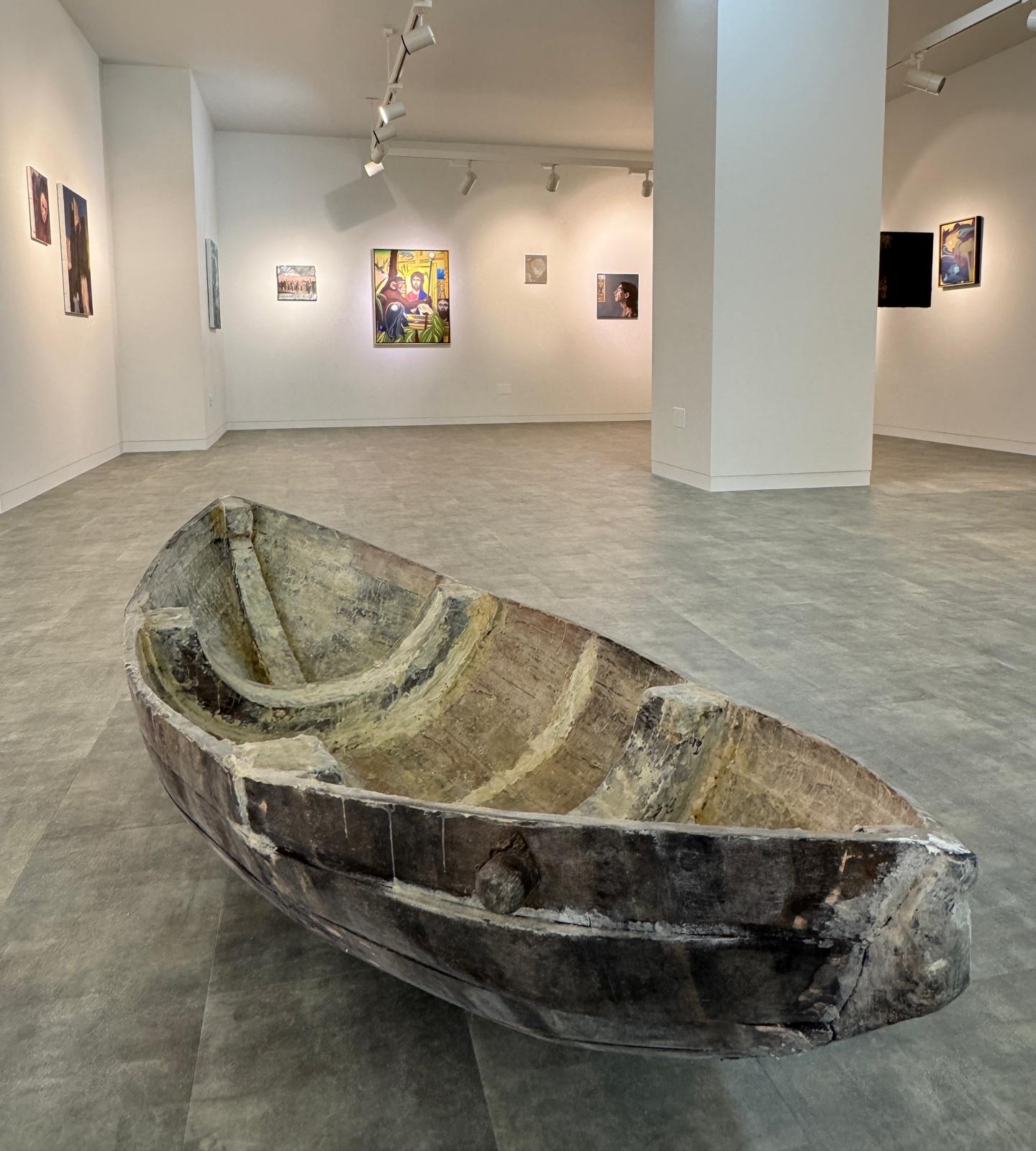
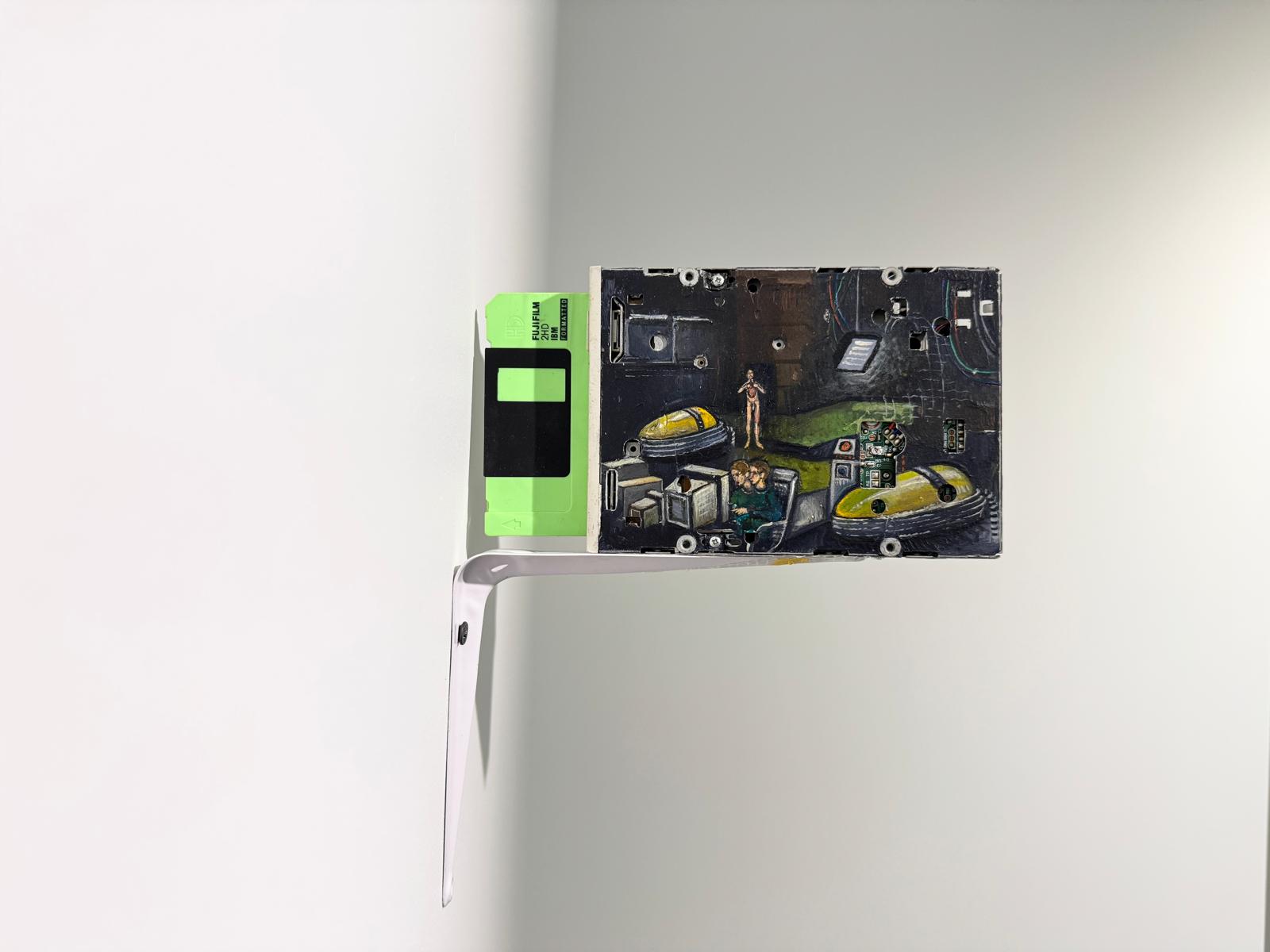
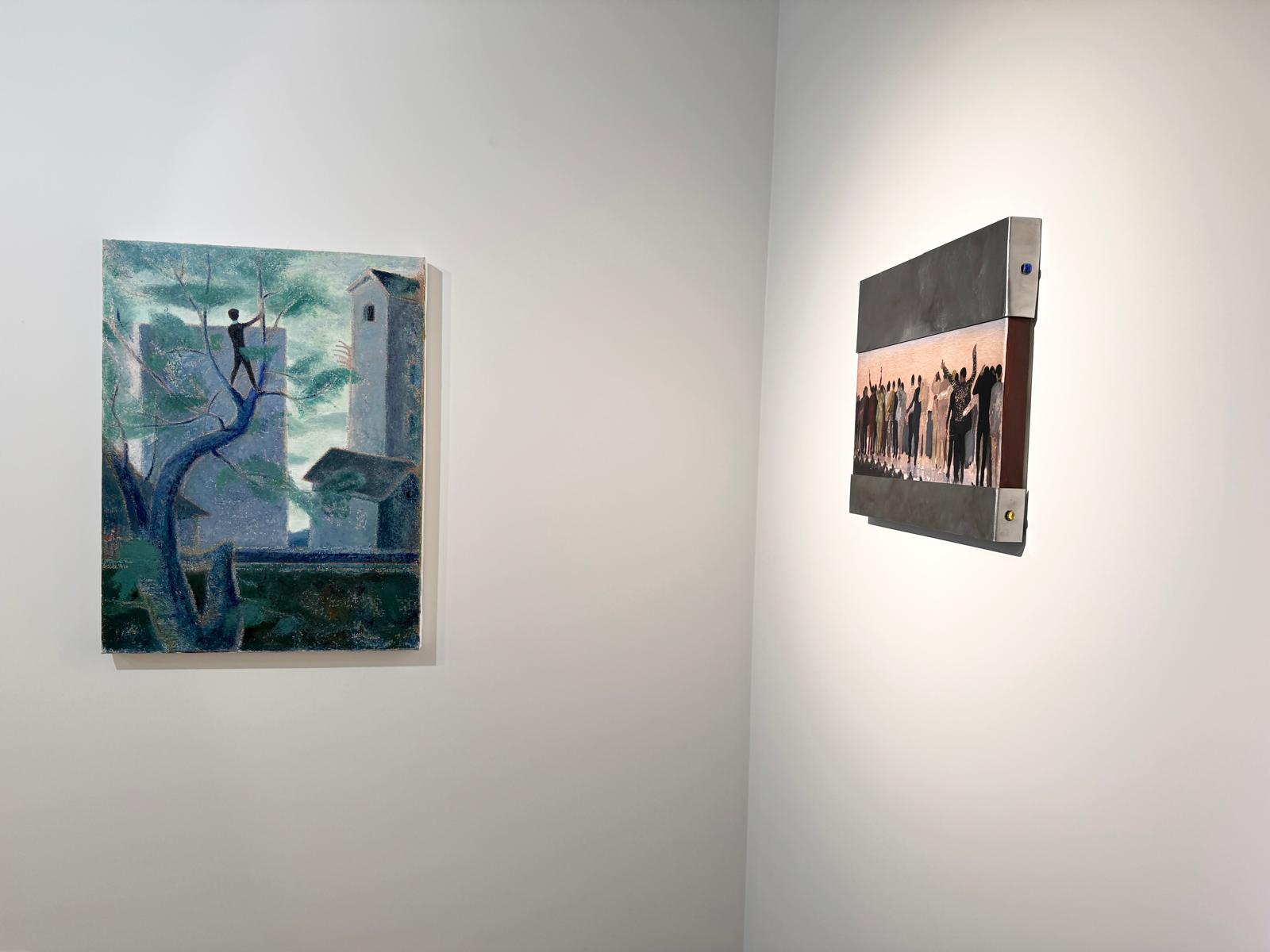
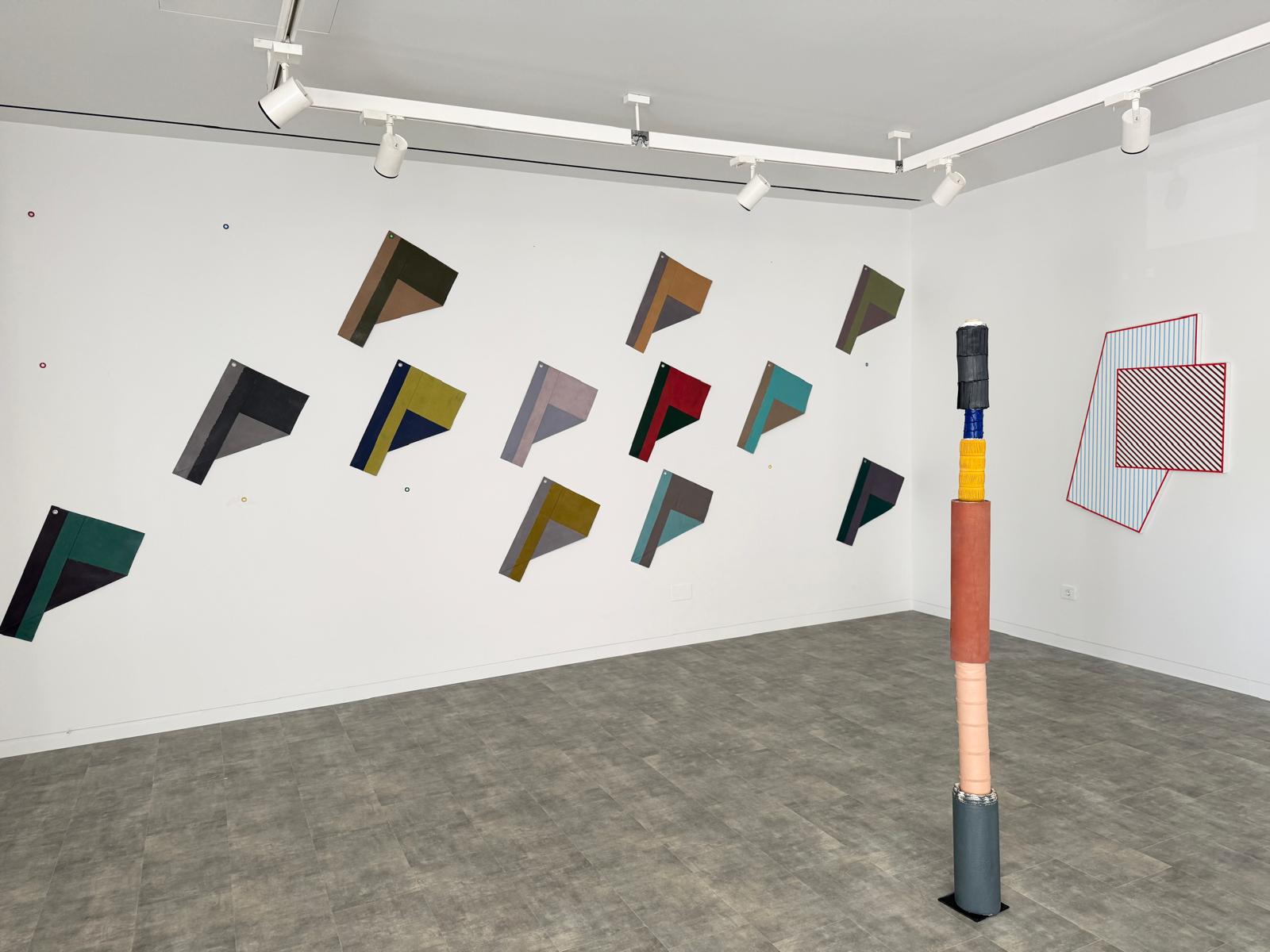
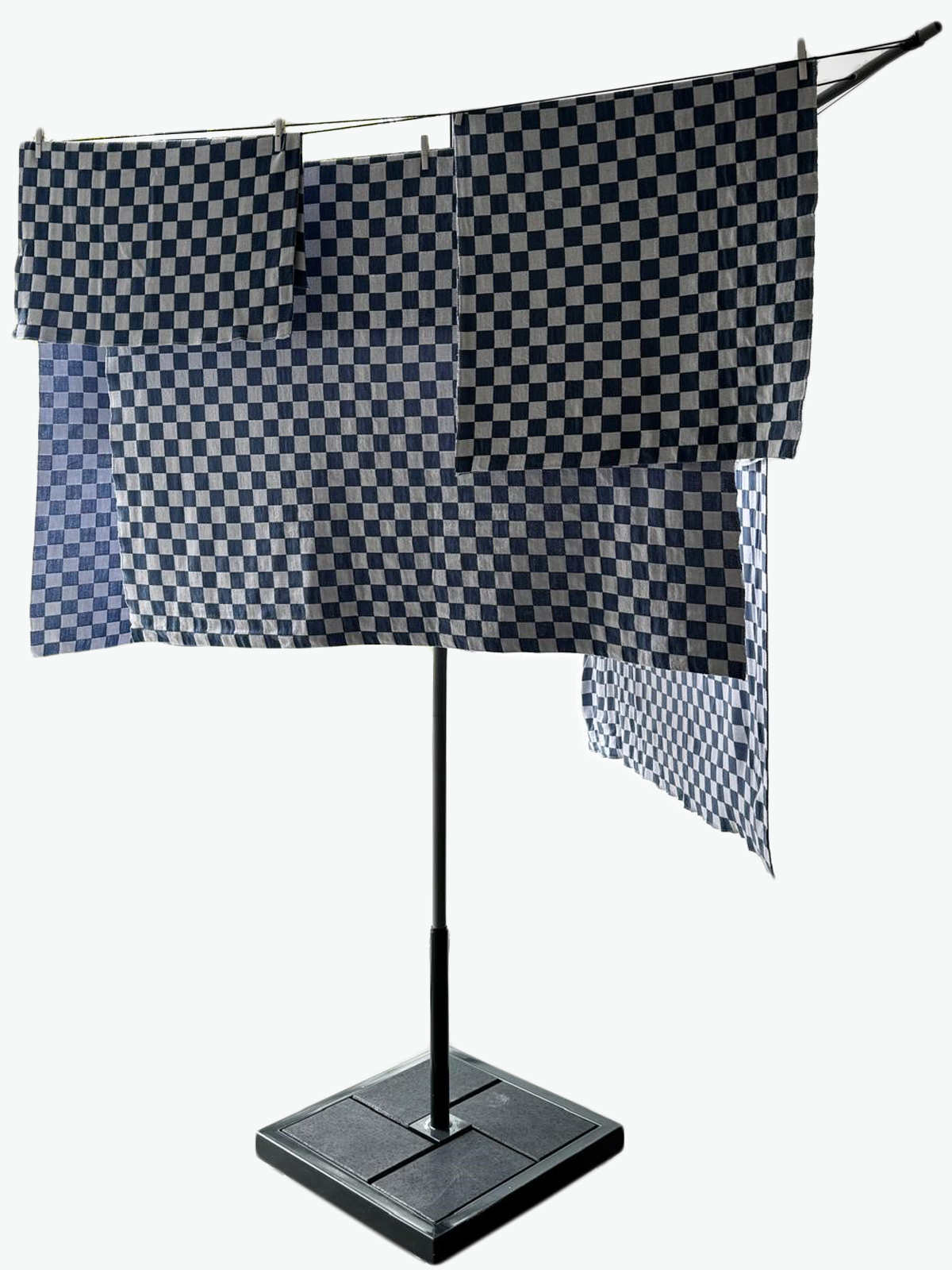
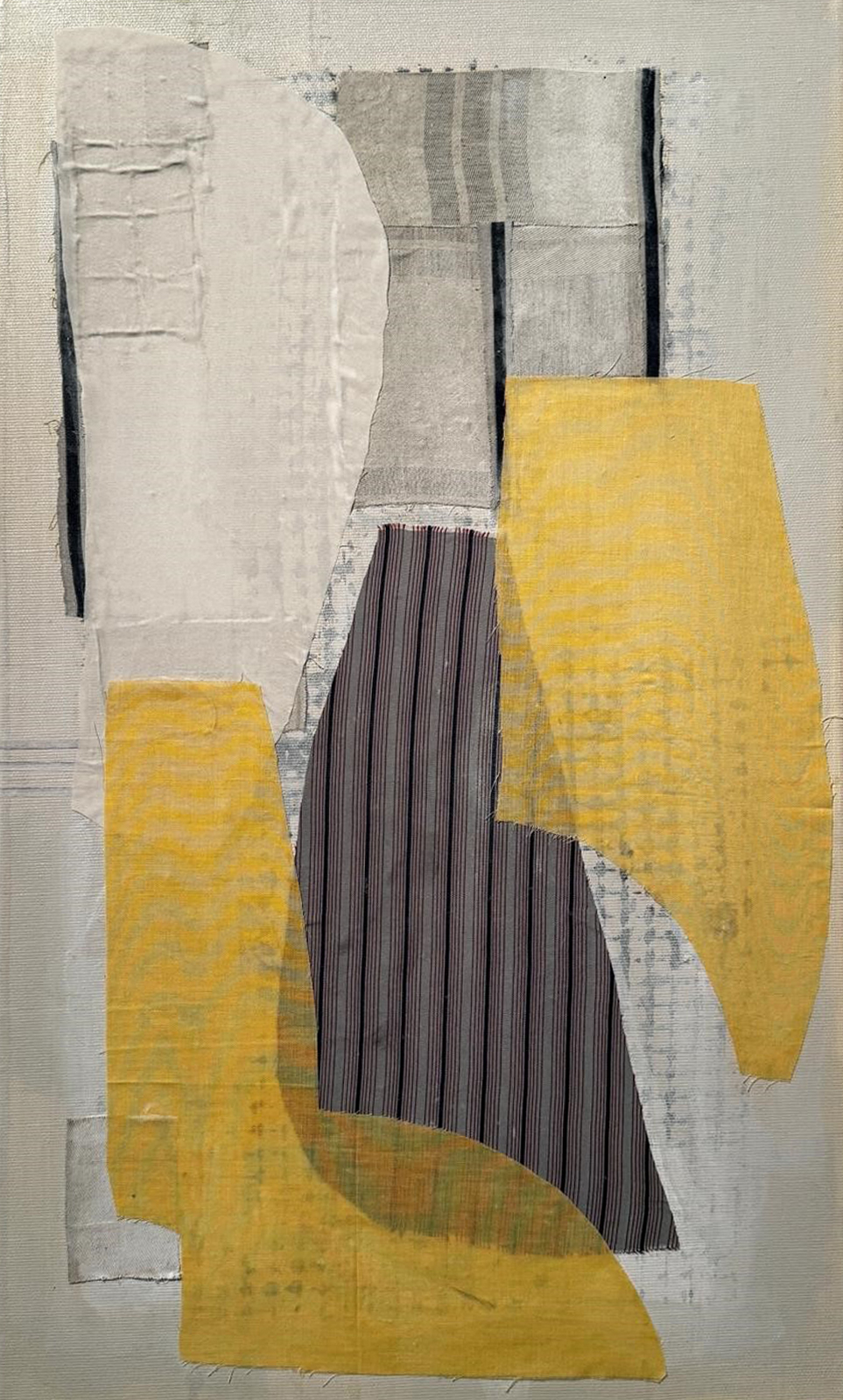
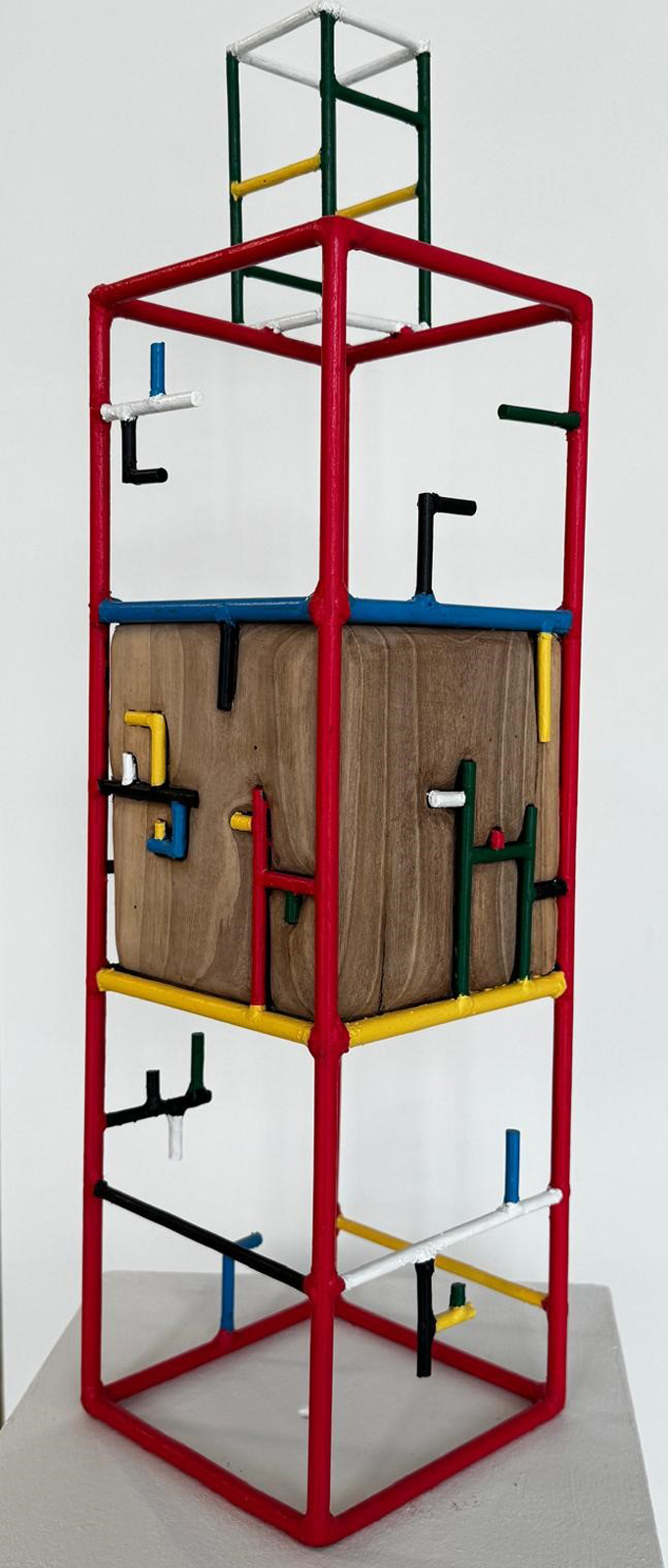
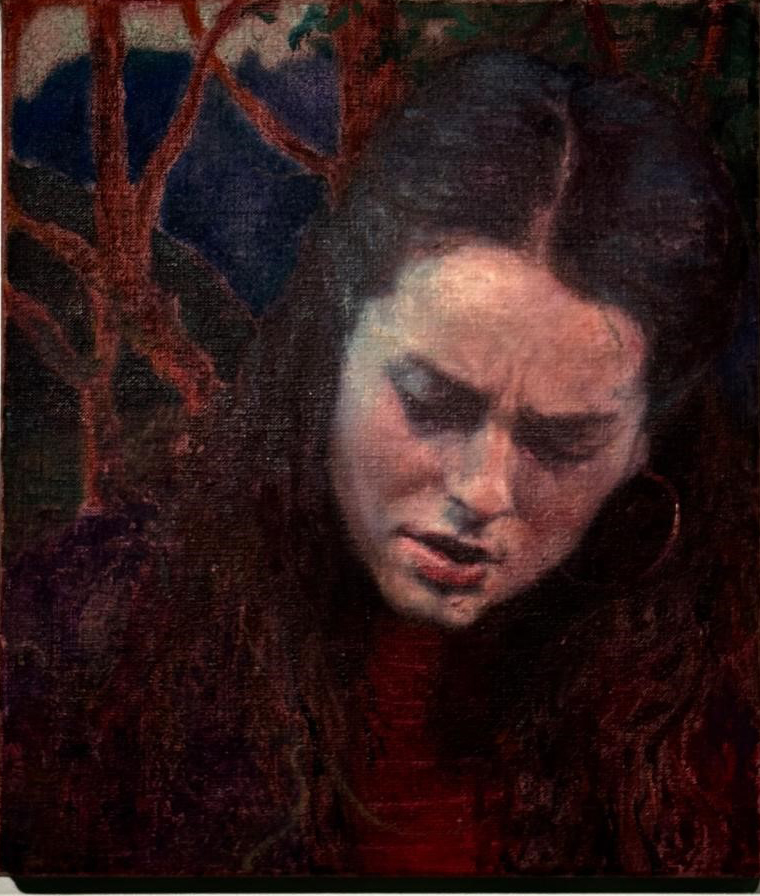
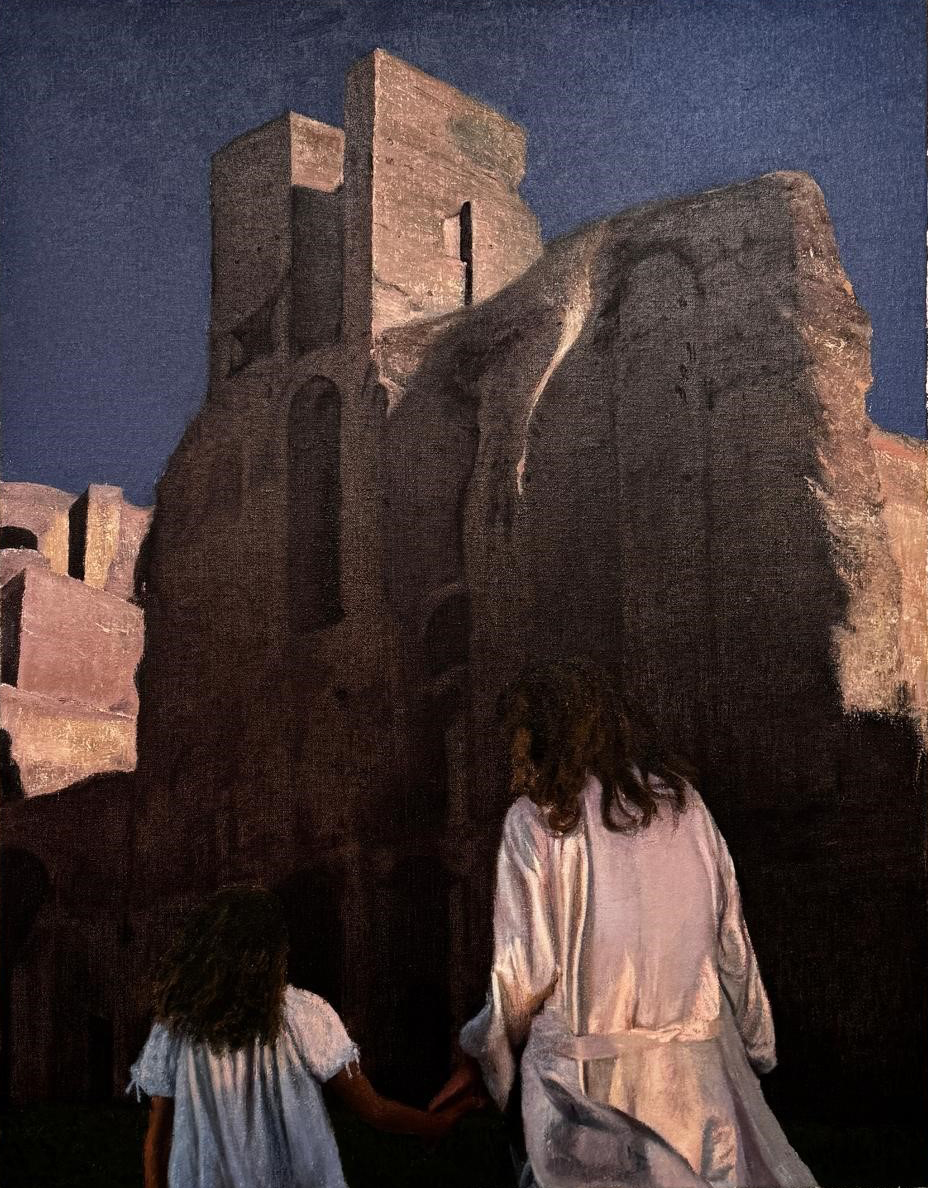
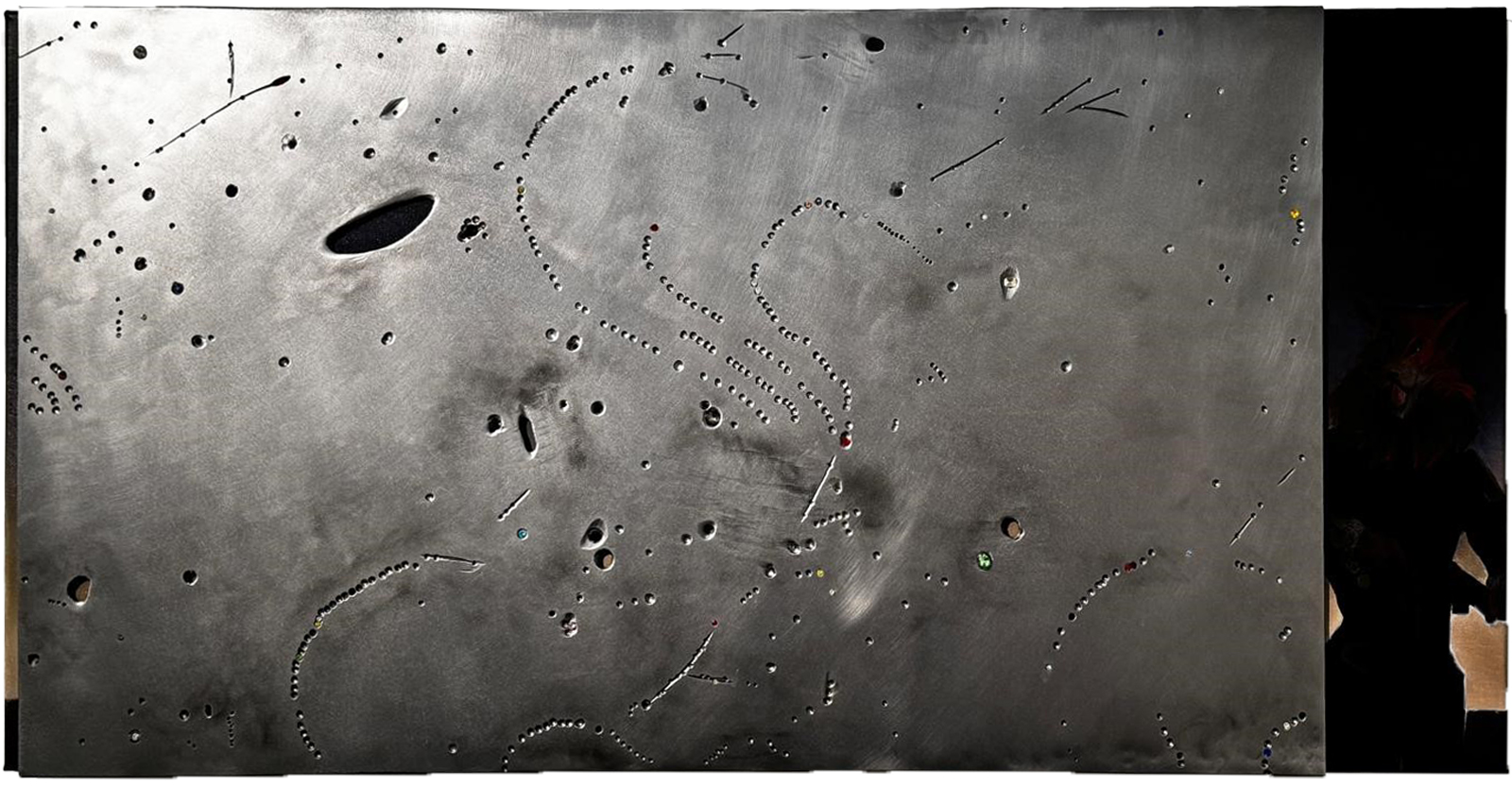
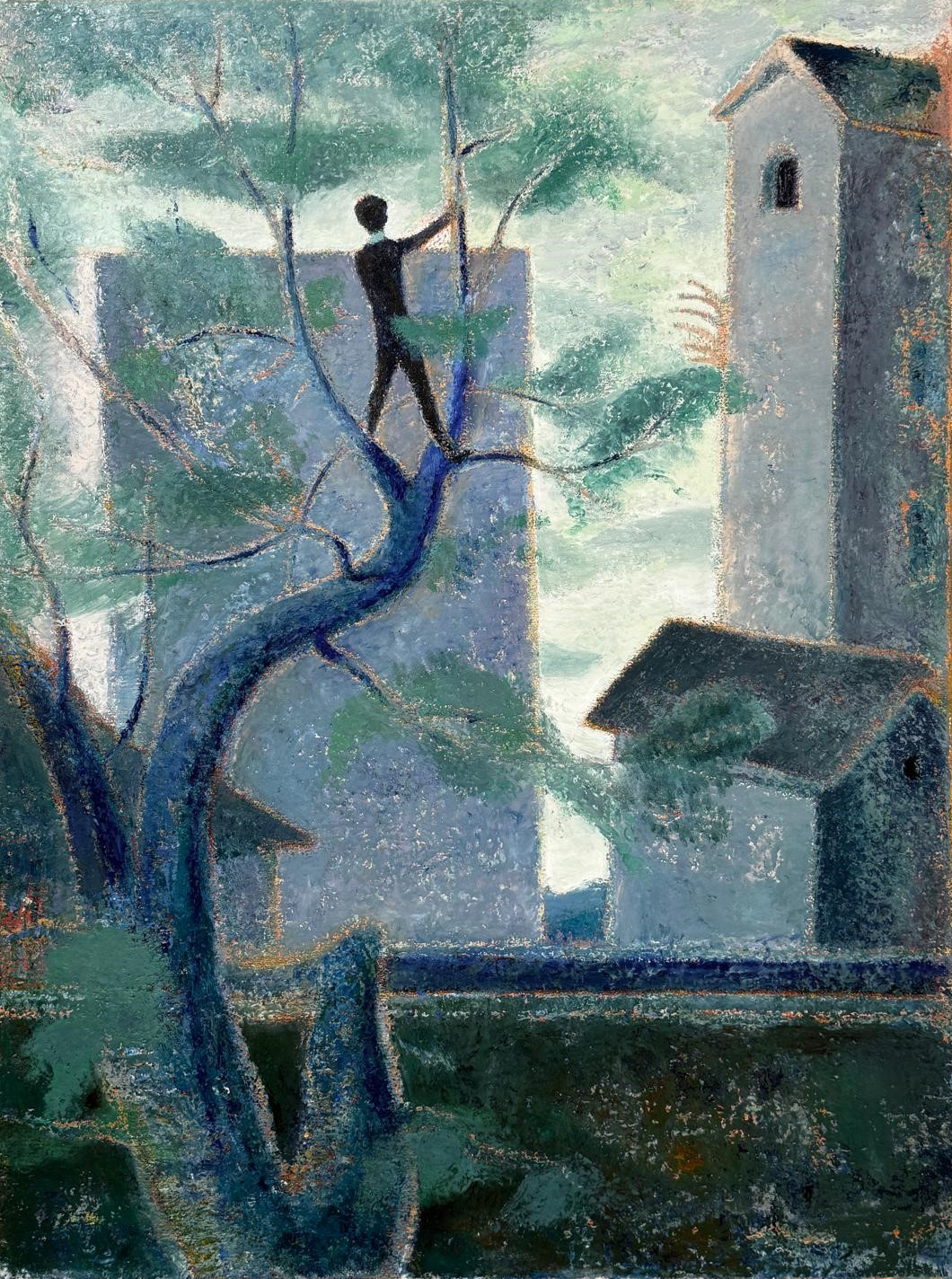
The current exhibition proposal with a title that is, I admit, somewhat ambiguous, but which seeks to schematically outline two metaphorically elided typologies identifiable in the technology of covering a flat surface with a substance, as painting is, originates from an article written in Matca magazine. There, I attempted to highlight those specific instances and authors relevant today within the aforementioned medium. While in that text I identified several ways for the proposed artists to negotiate between the "image about" vs. the "representation of" the world as distinct scopic regimes; or between the new technologies involved vs. the preservation of a specific pictorial tradition in the technique of image making, in the present exhibition layout we cannot rely on the descriptive linearity of a logocentric order. Instead, starting from the way images function in that logic of simultaneity between form and content, we will attempt to suggest these opposite modes through the exhibition’s allestimento.
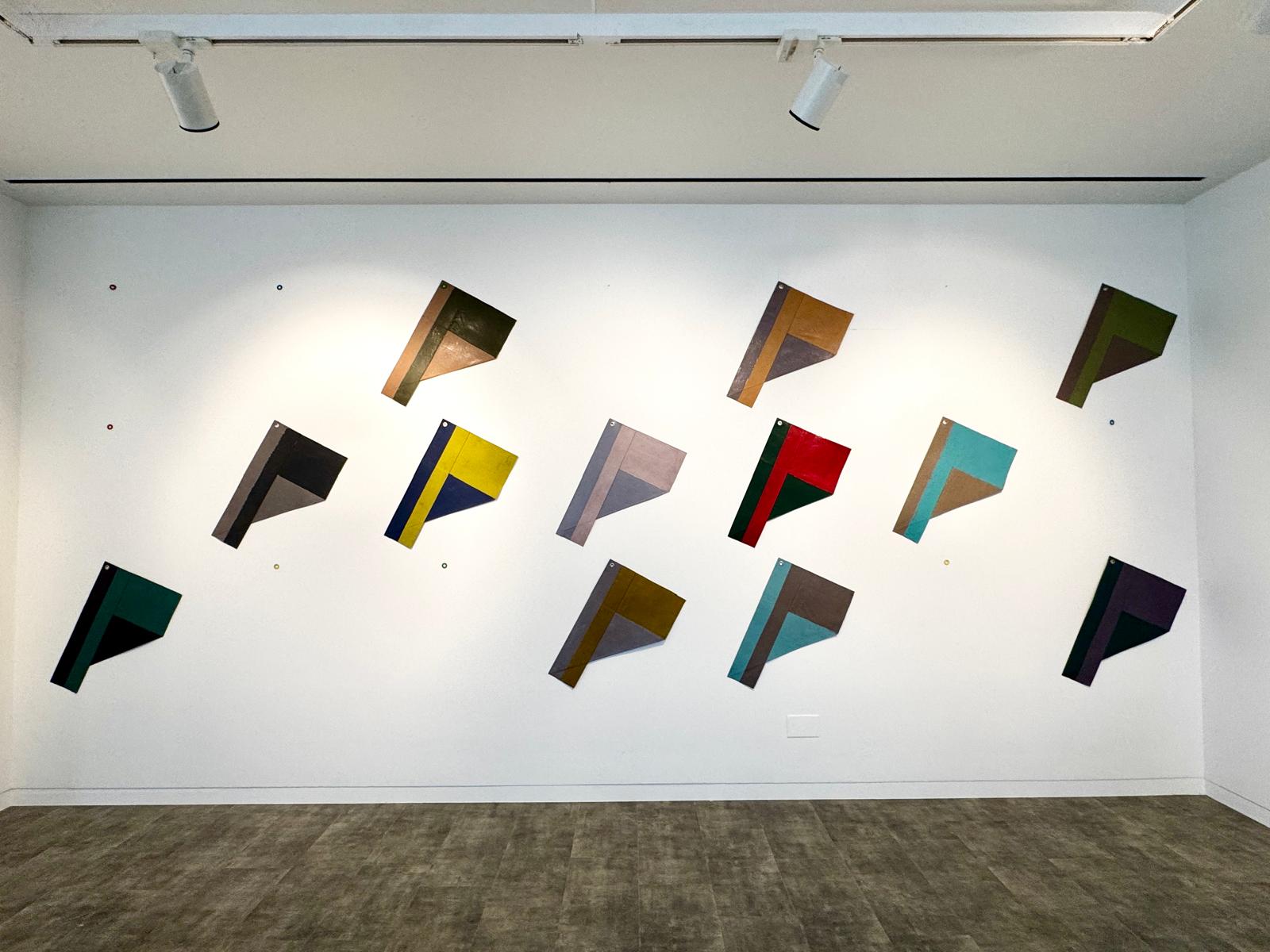
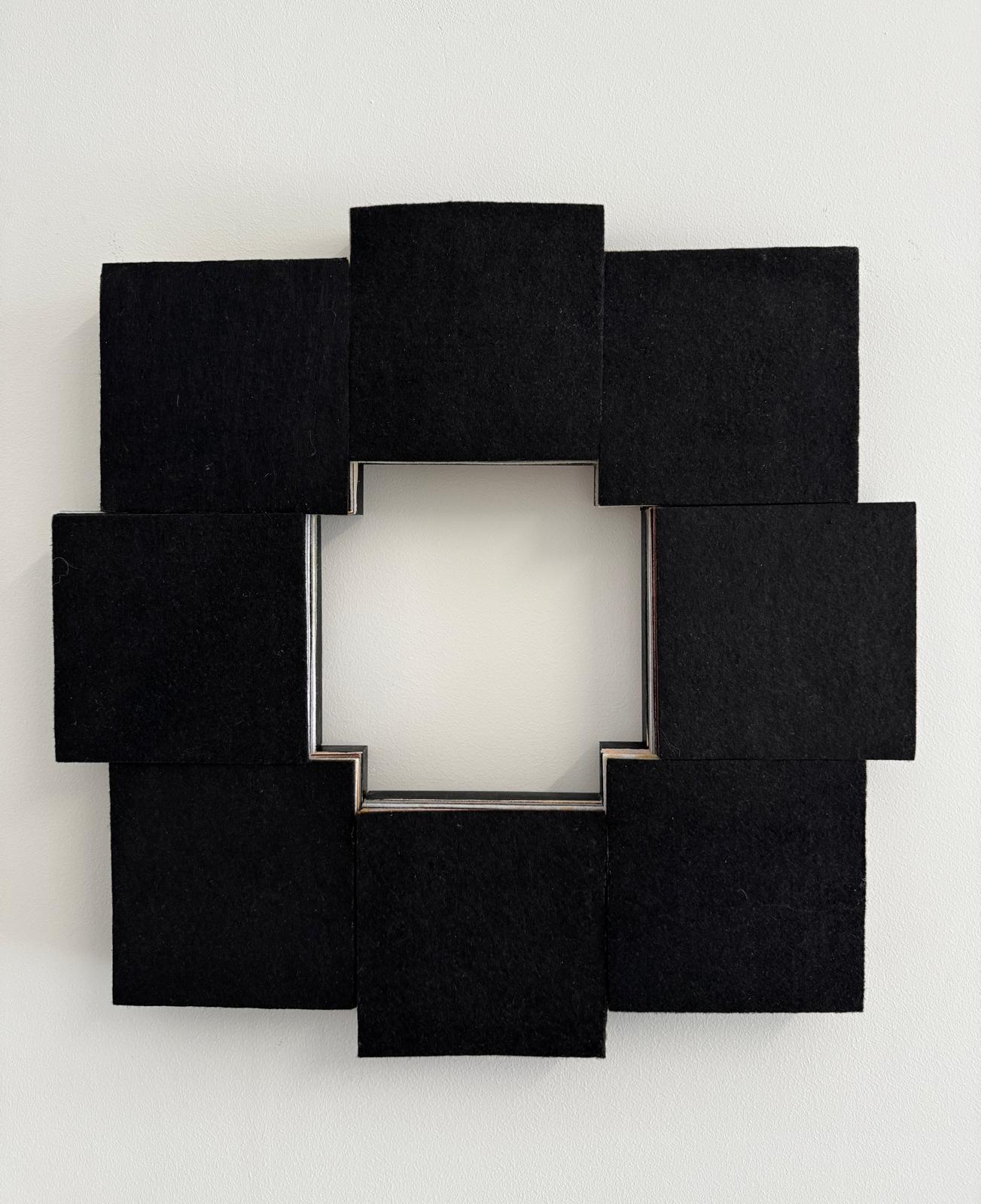
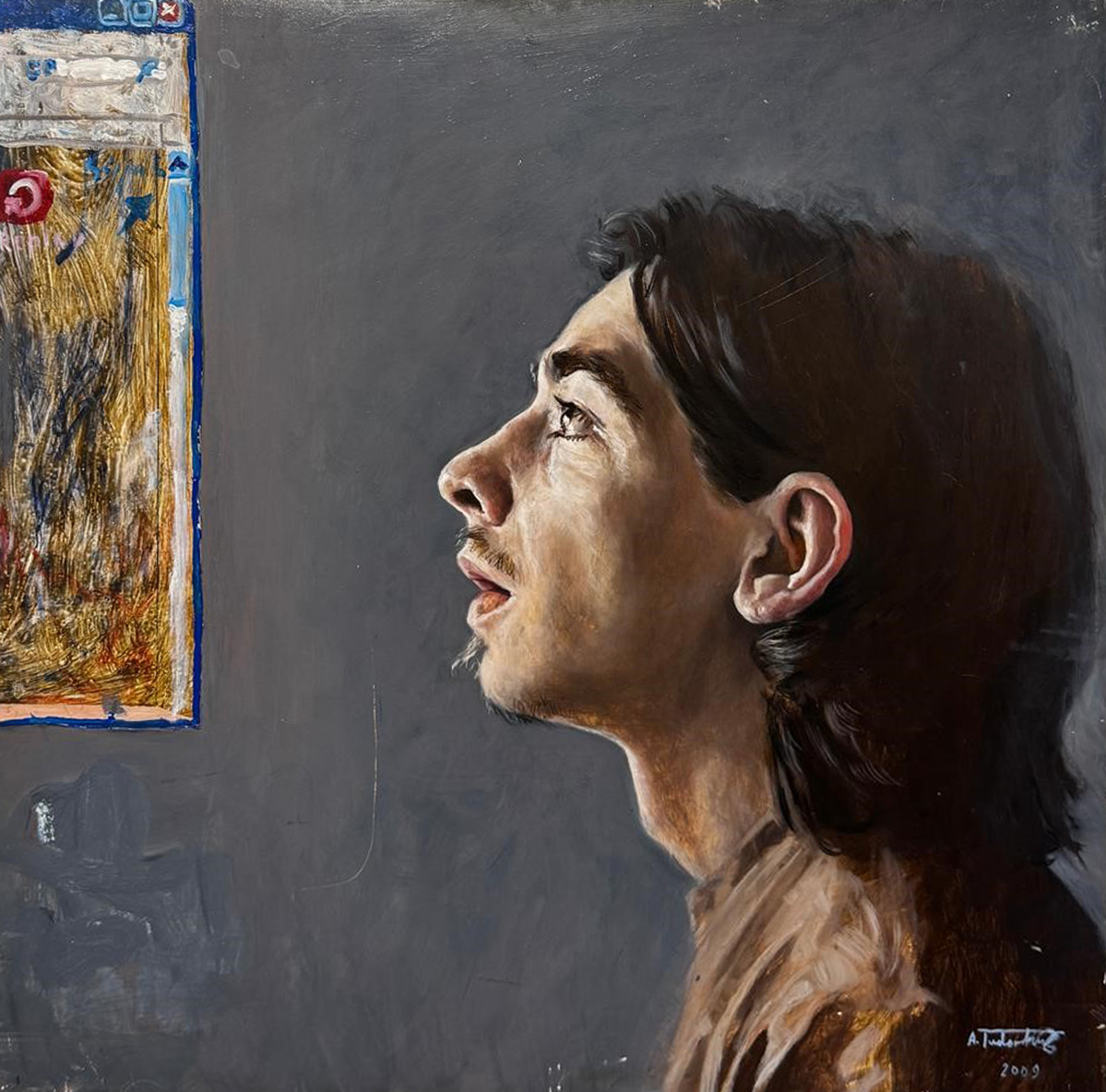
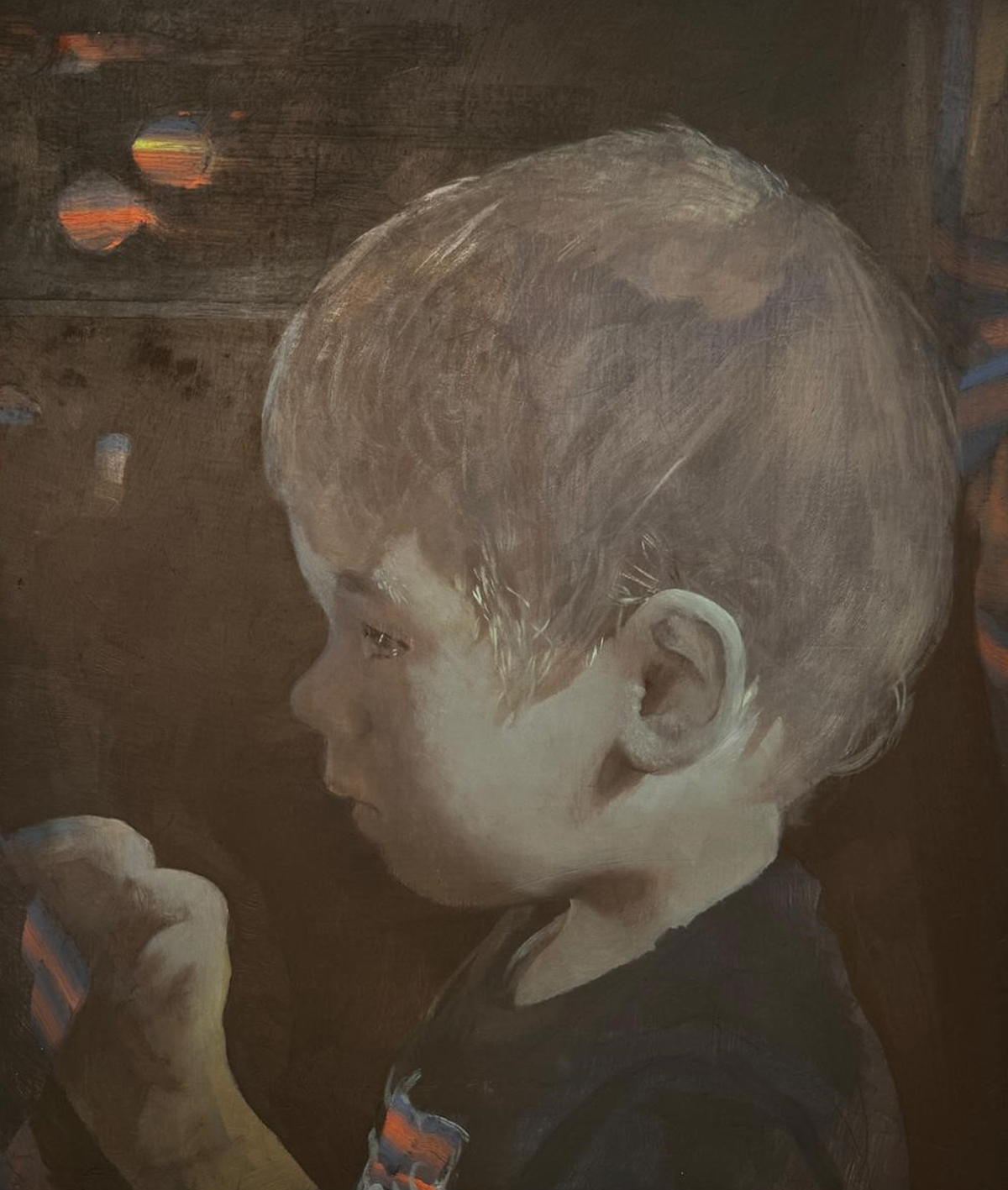
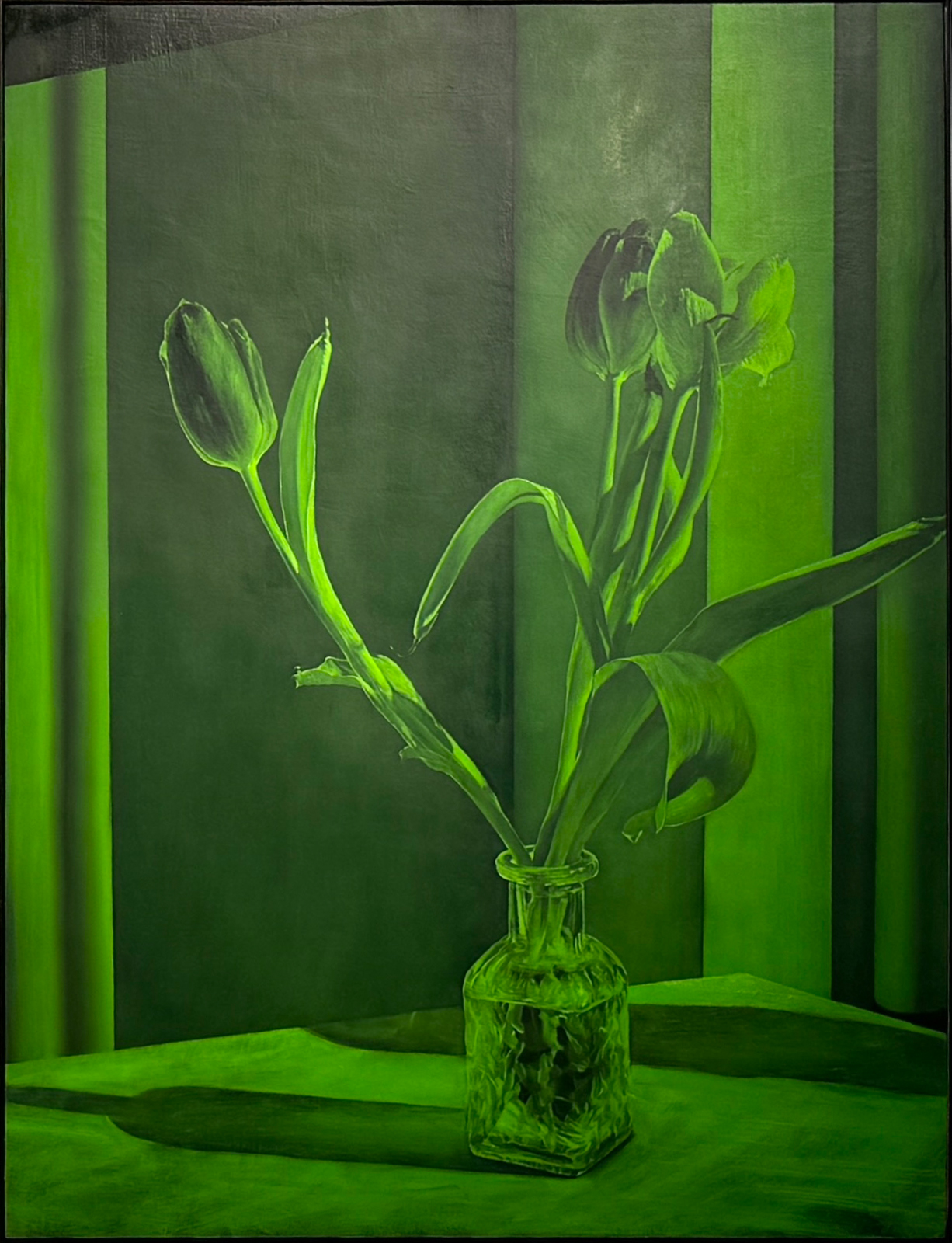
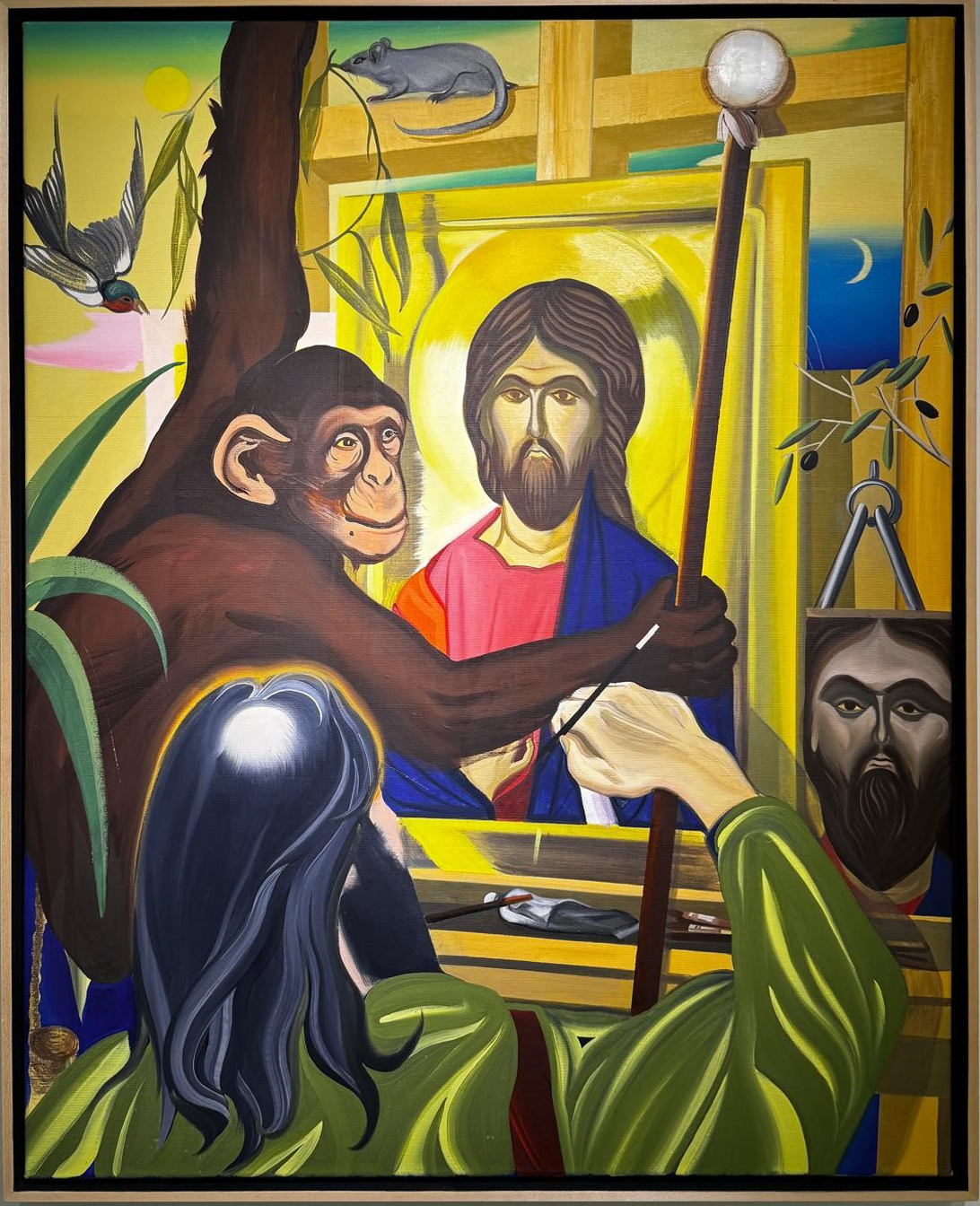
It is easy to observe that these two manners emerge as evidently antagonistic. One is a realistic approach based on figuration, intimist and more often than not anti-heroic, swallowed by landscapes or mnemonic rooms, and rarely alarmist in a post-human vein. The other is a diagrammatic transcription of reality into an inventory of possible indexed formats and experiences, with an optical field that does not represent, but rather imagines the world within a painting camouflaged under an apparent "objecthood" quality, to implement Michael Fried’s seminal terminology.
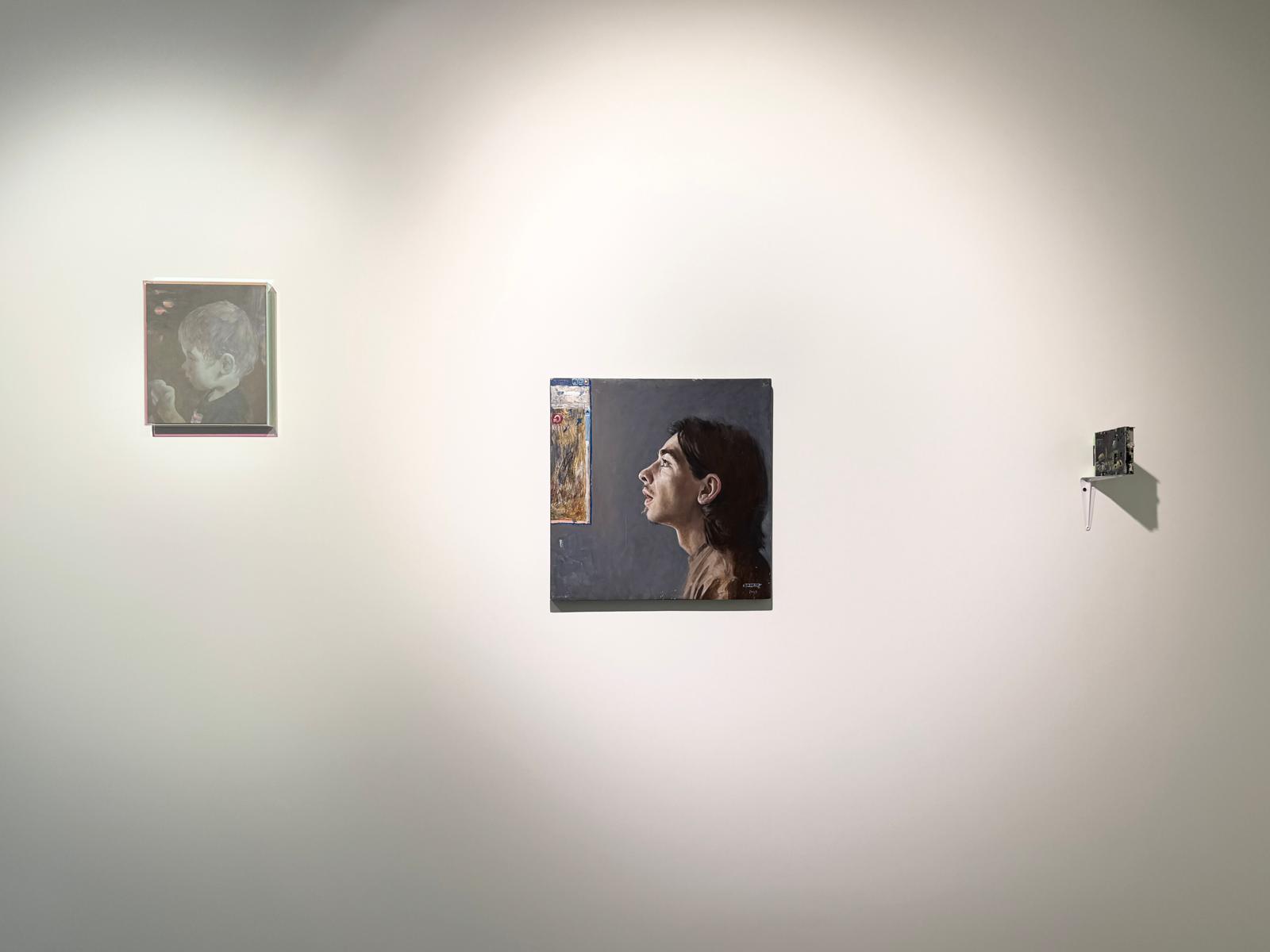
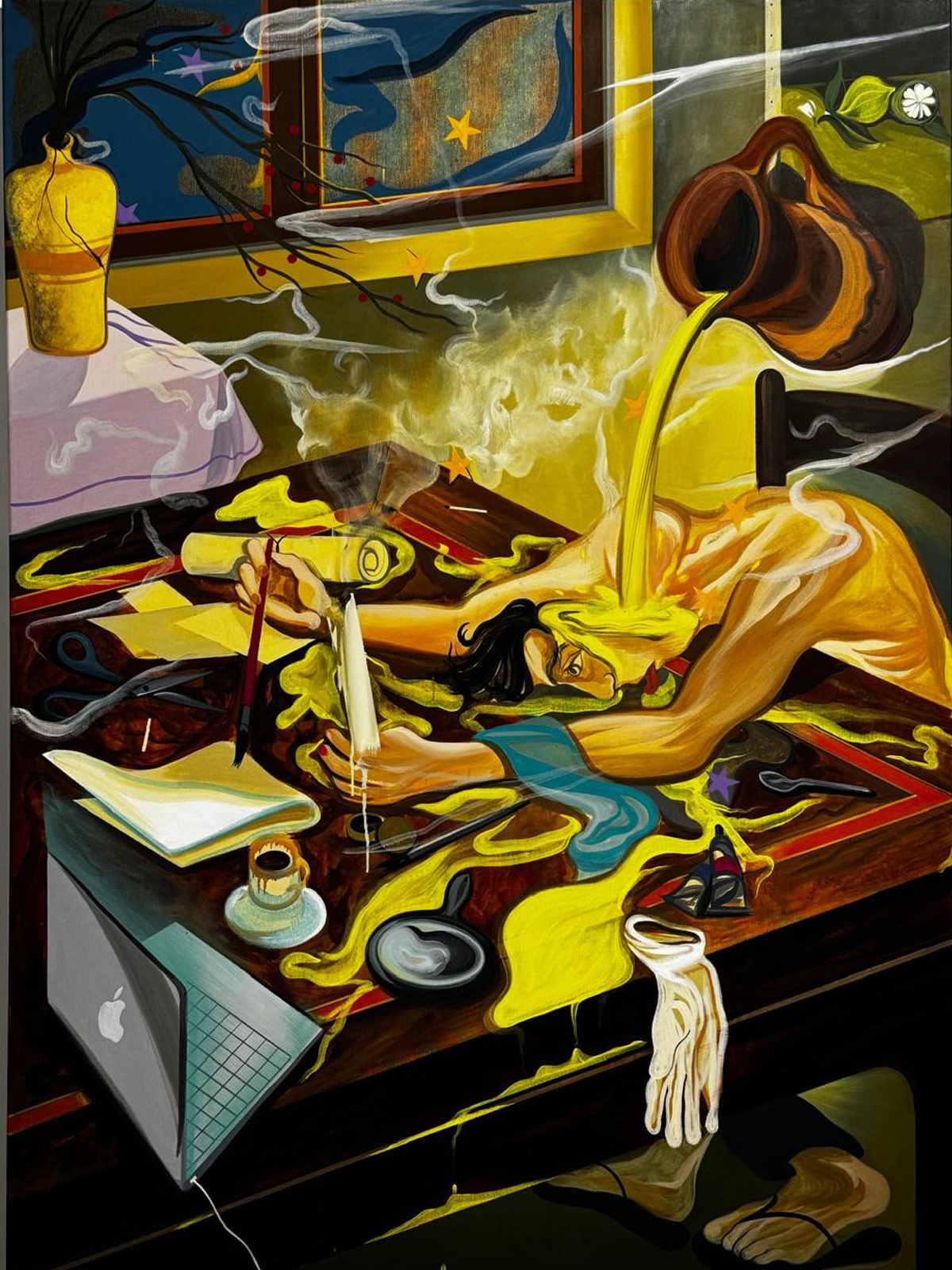
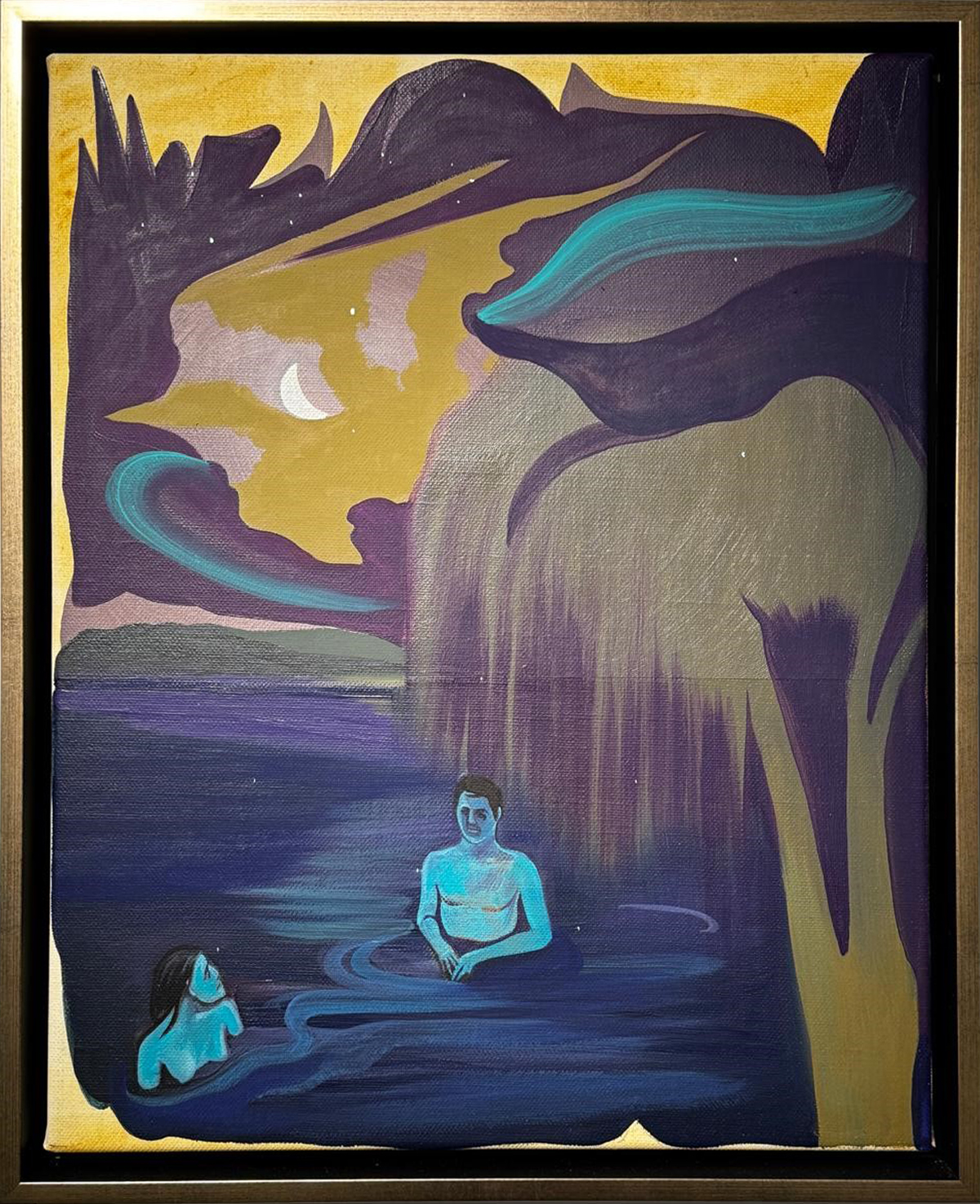
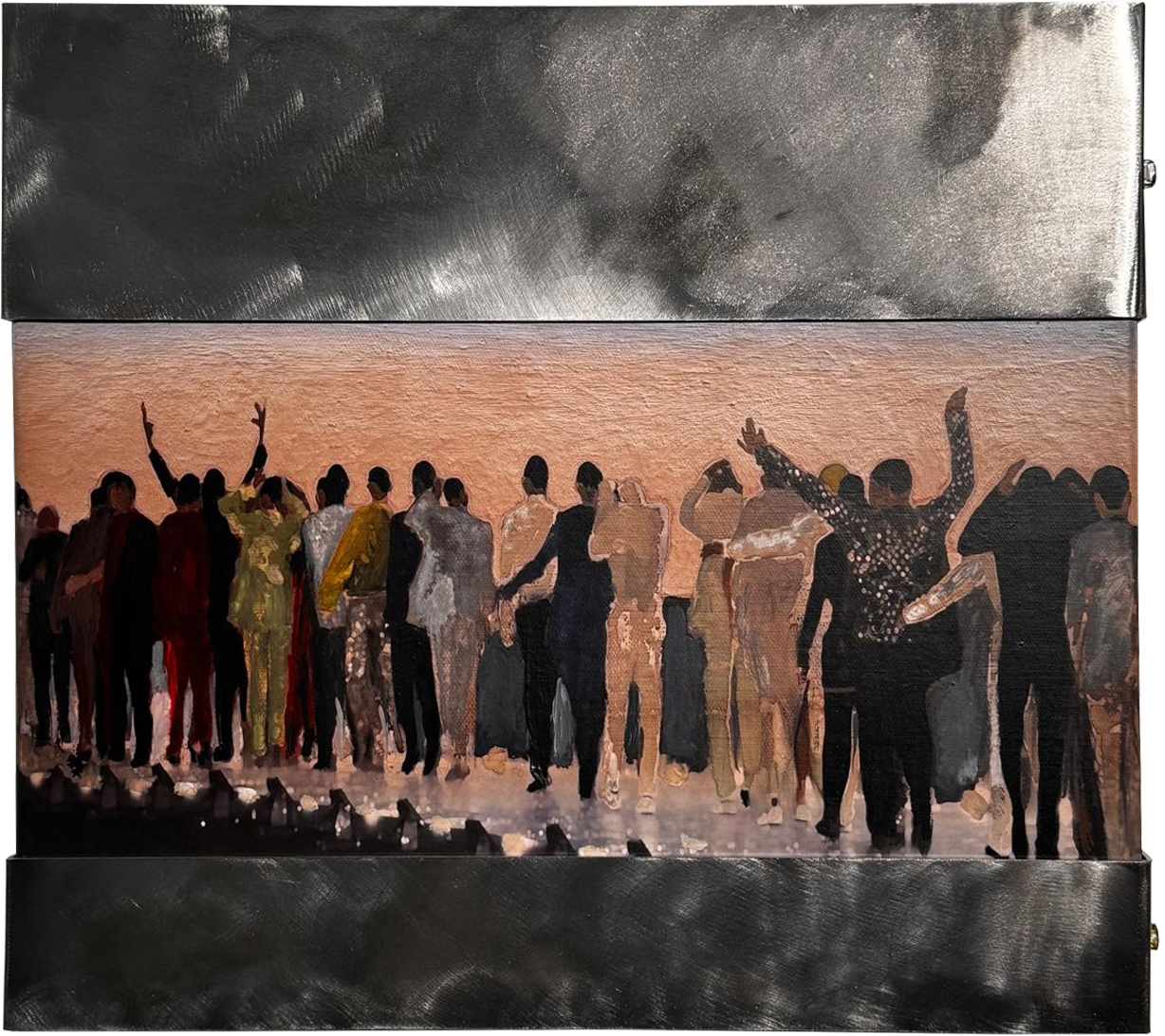
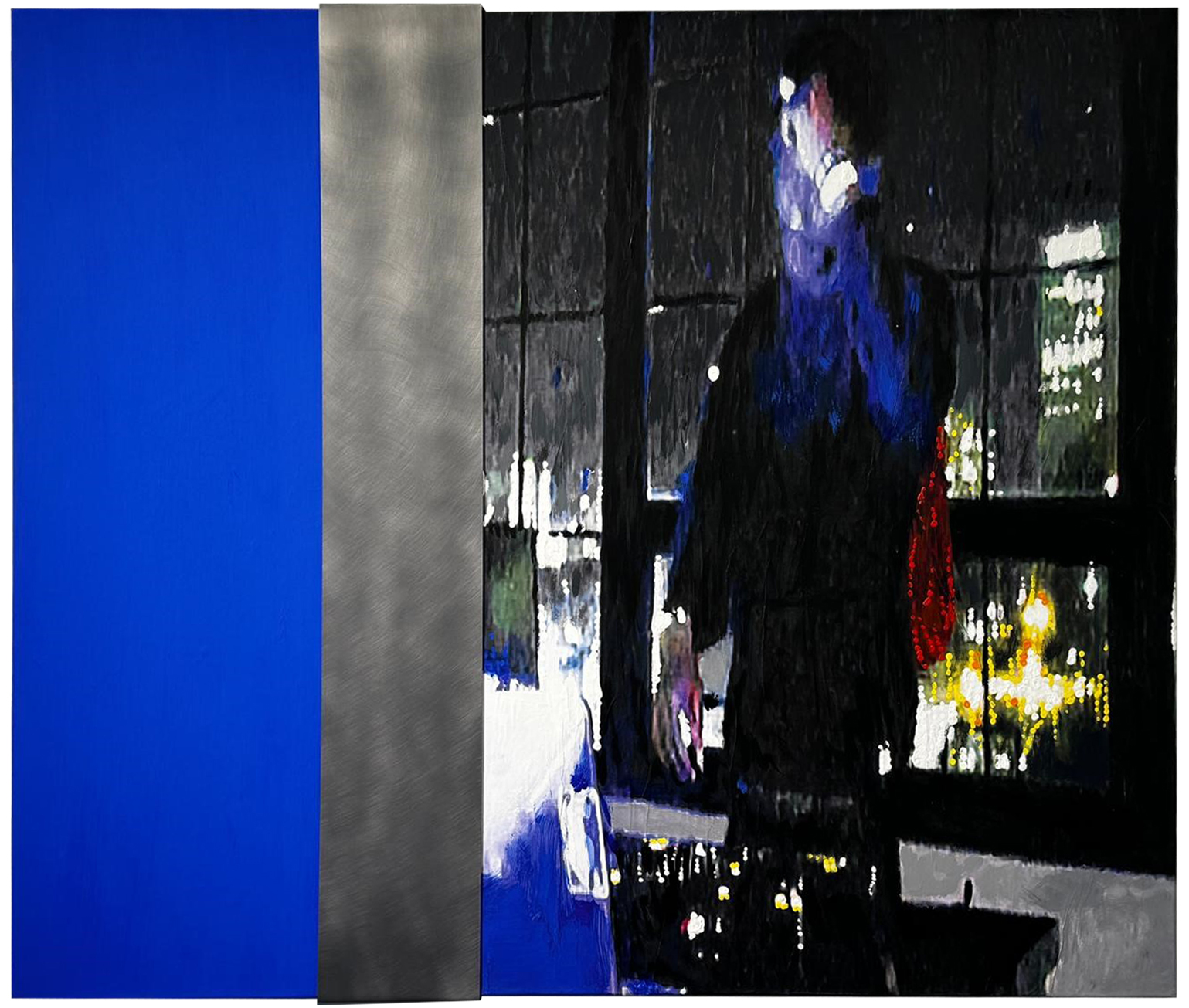
The pendulum, or the staircase separating the two floors, punctuates the air between a realistic and melancholical intimist painting with its small-urban subjects or the rural rediscovered after the 2020 health crisis (in fact, after increasingly recurrent crises), located in spaces populated by solitary individuals. These figures are caught in actions whose outcome is often hidden from the viewer, inconsistent, absurd, and disconnected from vitality, always as fragile as the warm and perishable materials of that universe. This stands in contrast to a distinct manner, reached in retard by our pendulum, characterized by the shiny harsh surfaces created as by automated machinery, in paintings functioning as cognitive logos, with an impersonal aesthetic detached from any gesture-trace.
The former tear the heart muscle, while the latter intentionally emphasize the devaluation of emotion in the face of reason. We encounter forms of representation that invite the viewer to step inside the image, into the window as if into a reflective space of a calmness mor near or far from an implosion (of the self), as well as images that demand to be grasped by the viewer from the outside, often through appeals to textual sources or allusions to the materials of consumer culture. Some confront an idea conceived by Leon Battista Alberti in the 1430s, according to which a painting is similar to a window and its surface must be viewed as something through which you look beyond; meanwhile, for the others, the window becomes a screen, a sophisticated means of transmitting complex ideas in a synthetic form through images. In the first case, the quadratura is a mirror with dust settled from the nearby household furniture; in the other, it is an impenetrable and glazed shield that mirrors only to reflect afterwards.
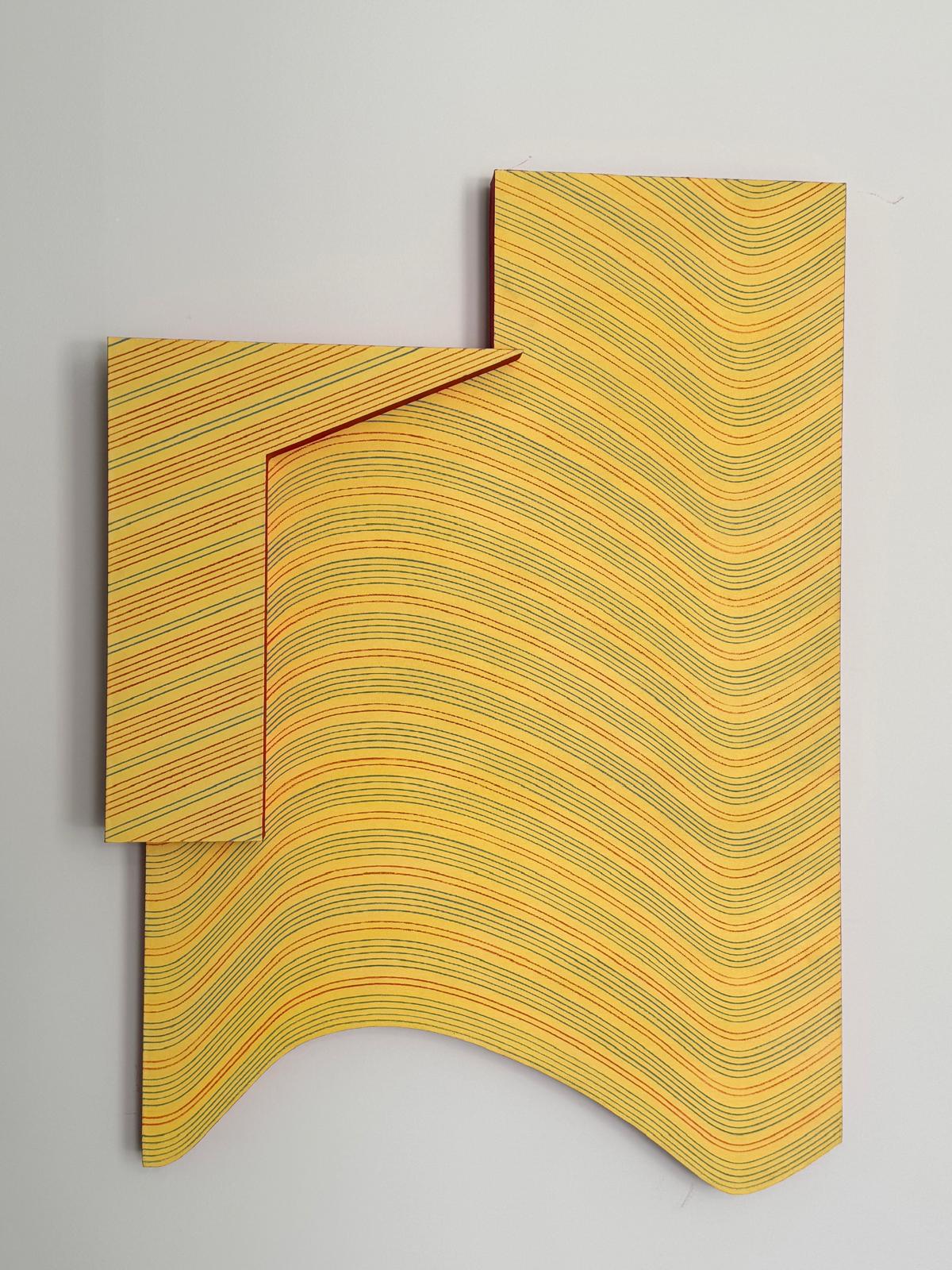
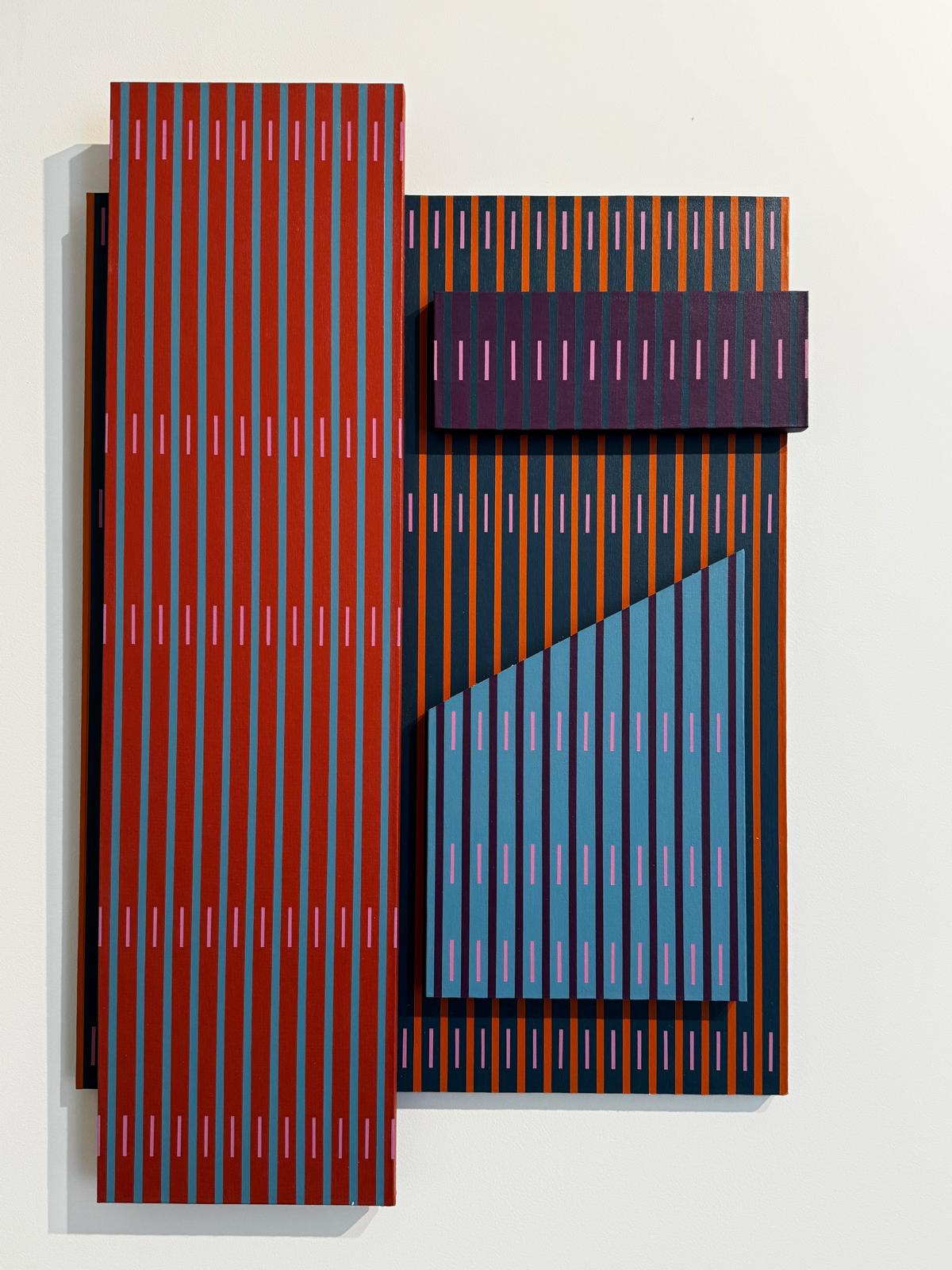
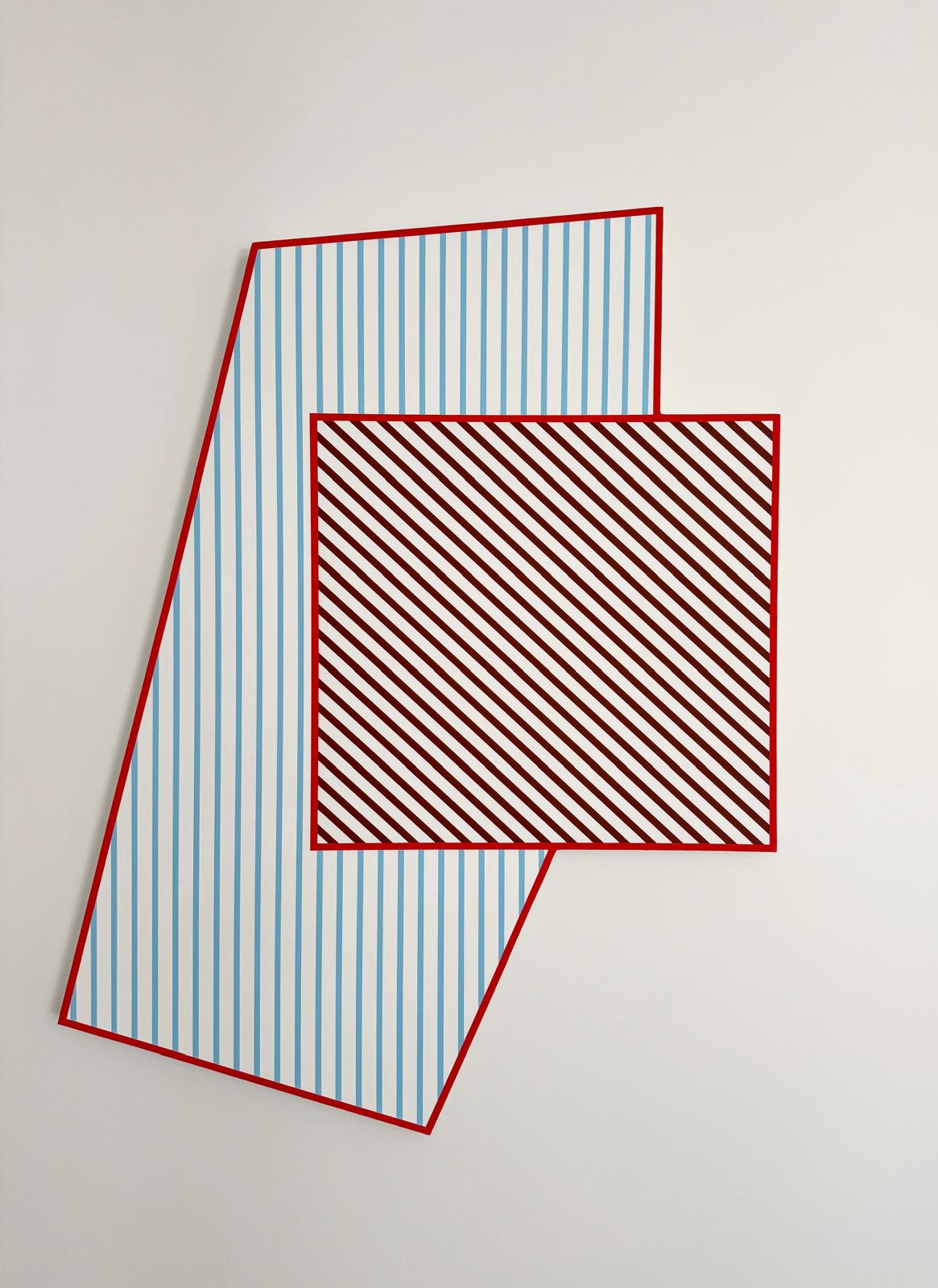
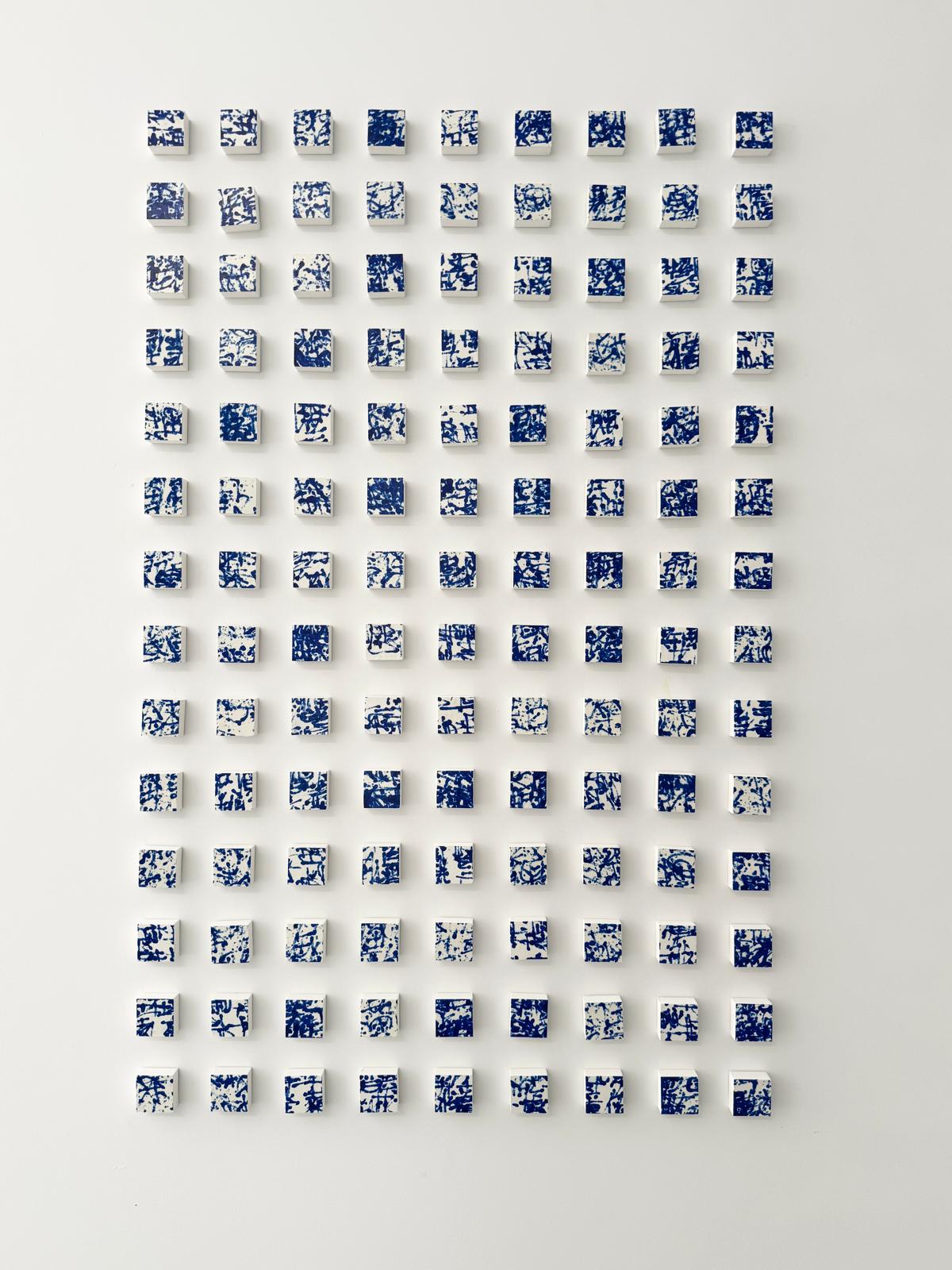
The pictorial realism of the former exudes a nostalgia specific to a Neo-Romantic profile or Neo-Regionalism, but in any case, it stands against a traditional rhetoric of the "macho" artist type, of that genius specialized in painting optical illusions on vast surfaces. These works are intended for a private gaze, restricted to a perimeter just a few centimeters away from the gaze. While, the second category involves the presence of grid-like, abstract-structuralist structures, like permanent forms of thought, programmatic and underlying world systems. These require perspective point and a bodily presence, just as an architectural construction is not intended solely for the gaze, but primarily for an experience felt in the entire body.
* *
As conclusion, let's do a general exercise for discovering an image:
Hold a light paper napkin with the thumb and index finger of both hands; squeeze it and unfold it again between your fingers; touch the surface with the index finger of the other hand, creating winding or orthogonal lines; create shapes; fold it and unfold it again, creating new forms like cut-outs born in the mind; tear it in half, then once more, and so on, into smaller and smaller pieces; observe how they all become another rectangular shape, like a screen, a shield, or a mirror, it matters what you project. Hold each one again between your fingers, unfold and project anything once more. There is the image. Alternatingly, worship and destroy the image.